A Walk through Sparta, NY
Introduction
It’s been abnormally cold for this time of year just lately: so cold that I didn’t feel like going out. Then when it warmed up it rained, also stopping me from going out. I was starting to suffer from “cabin fever” However, the day I went for this walk was quite pleasant. I decided to start with some food and then take a walk back home through a portion of Sparta, NY. I wasn’t attempting to cover all of Sparta. I’ve been there many times and documented most of it. For some pictures of Sparta taken during earlier visits please see the final section of this story.
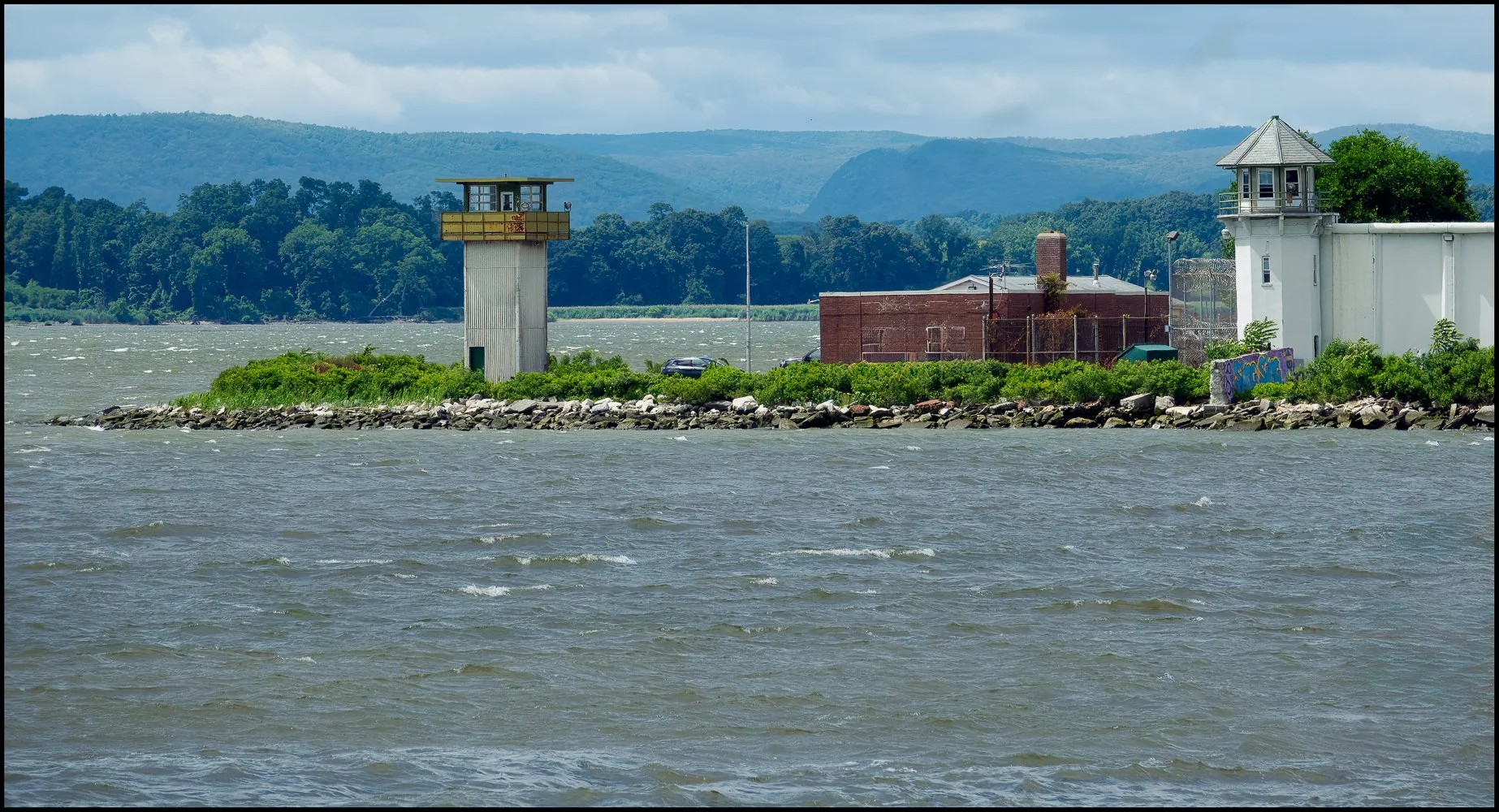
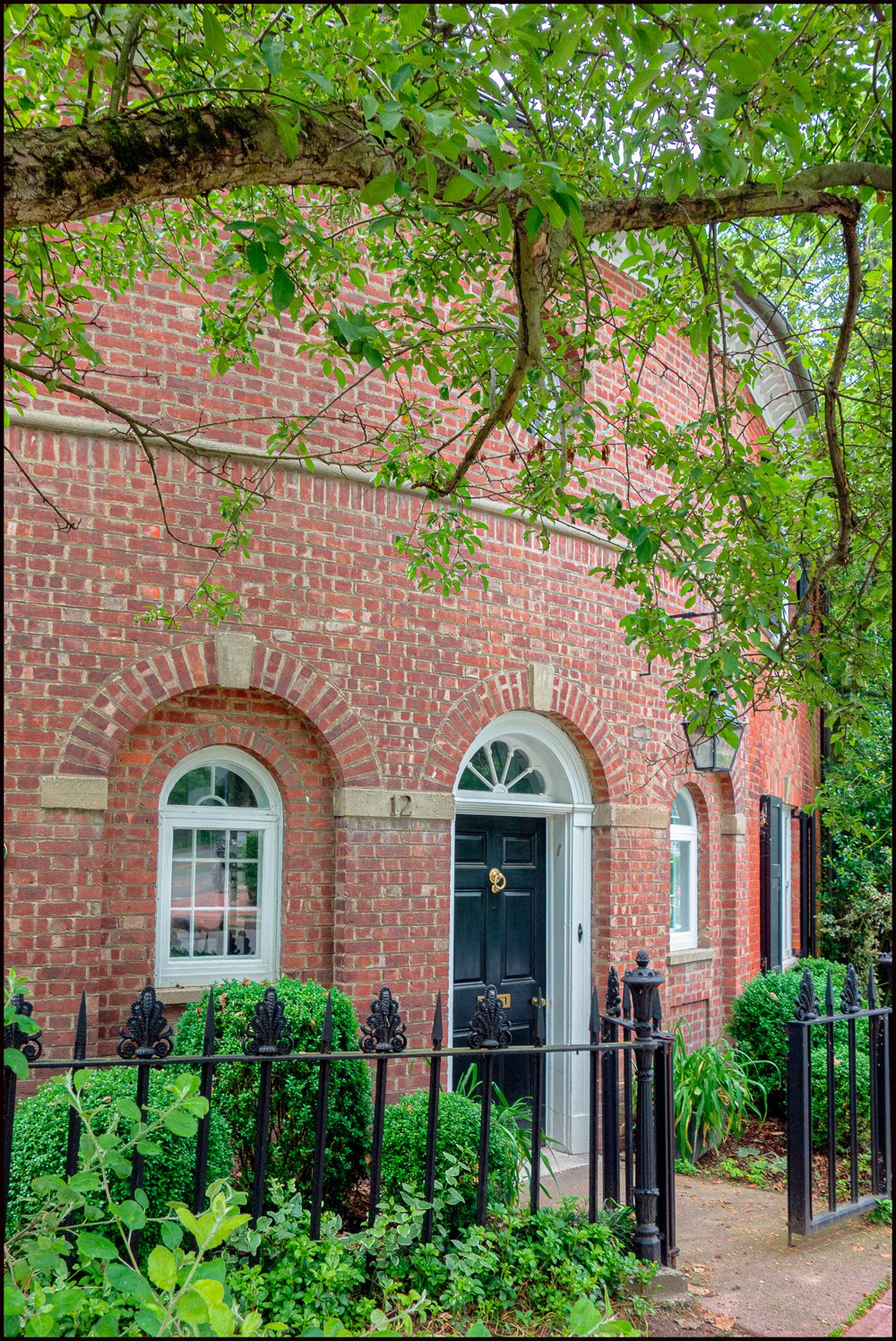
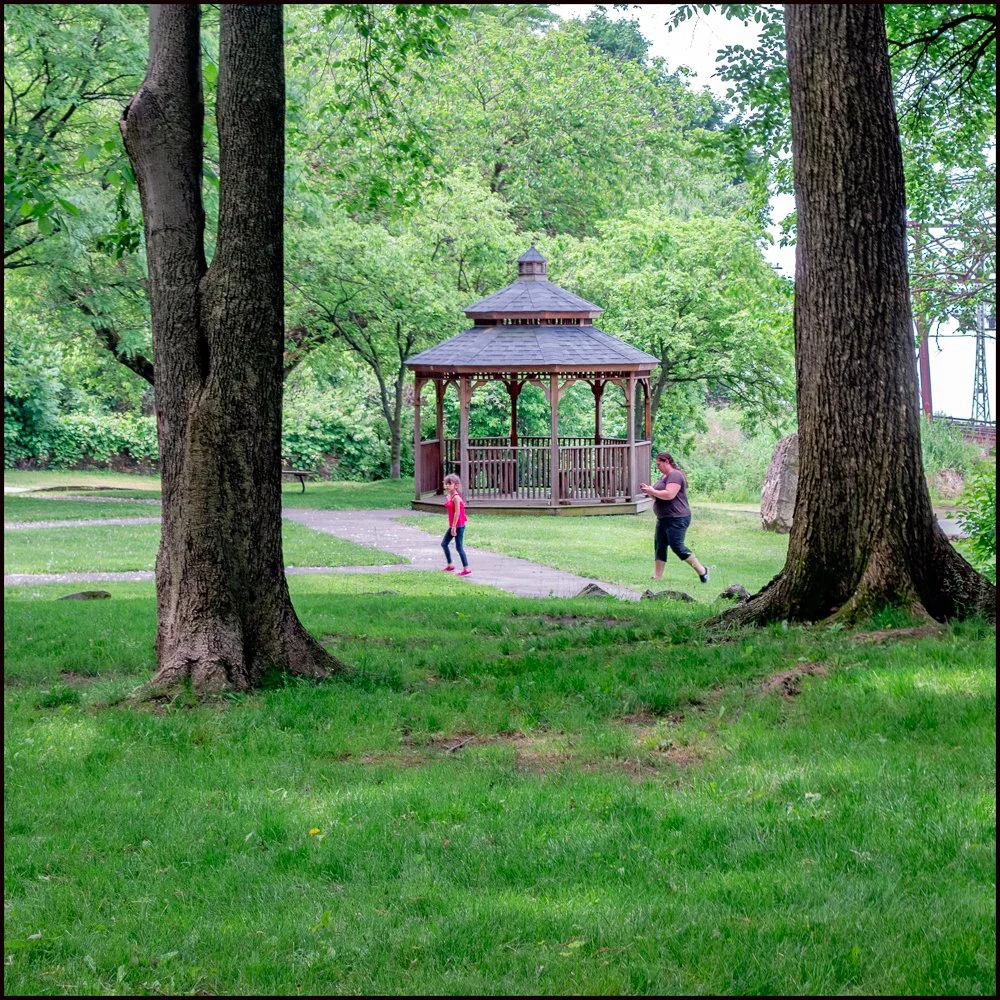
Sparta is a neighborhood of the village of Ossining. It borders the Hudson River, (4th picture in the final section) south of most of the village of Ossining. The neighborhood was a hamlet in the town of Ossining, and remains its oldest community. Sparta was founded by Dutch settlers in the 17th century.
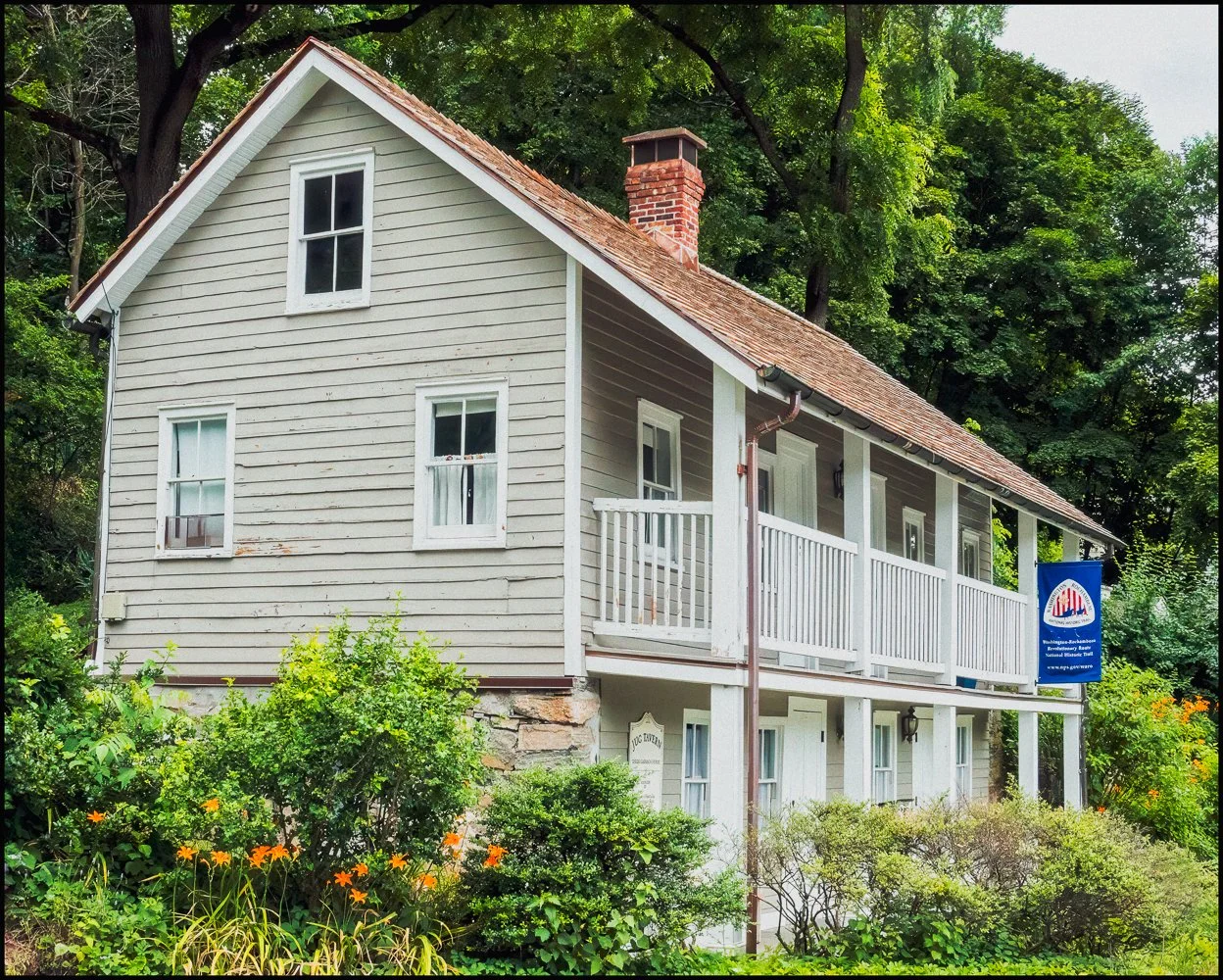
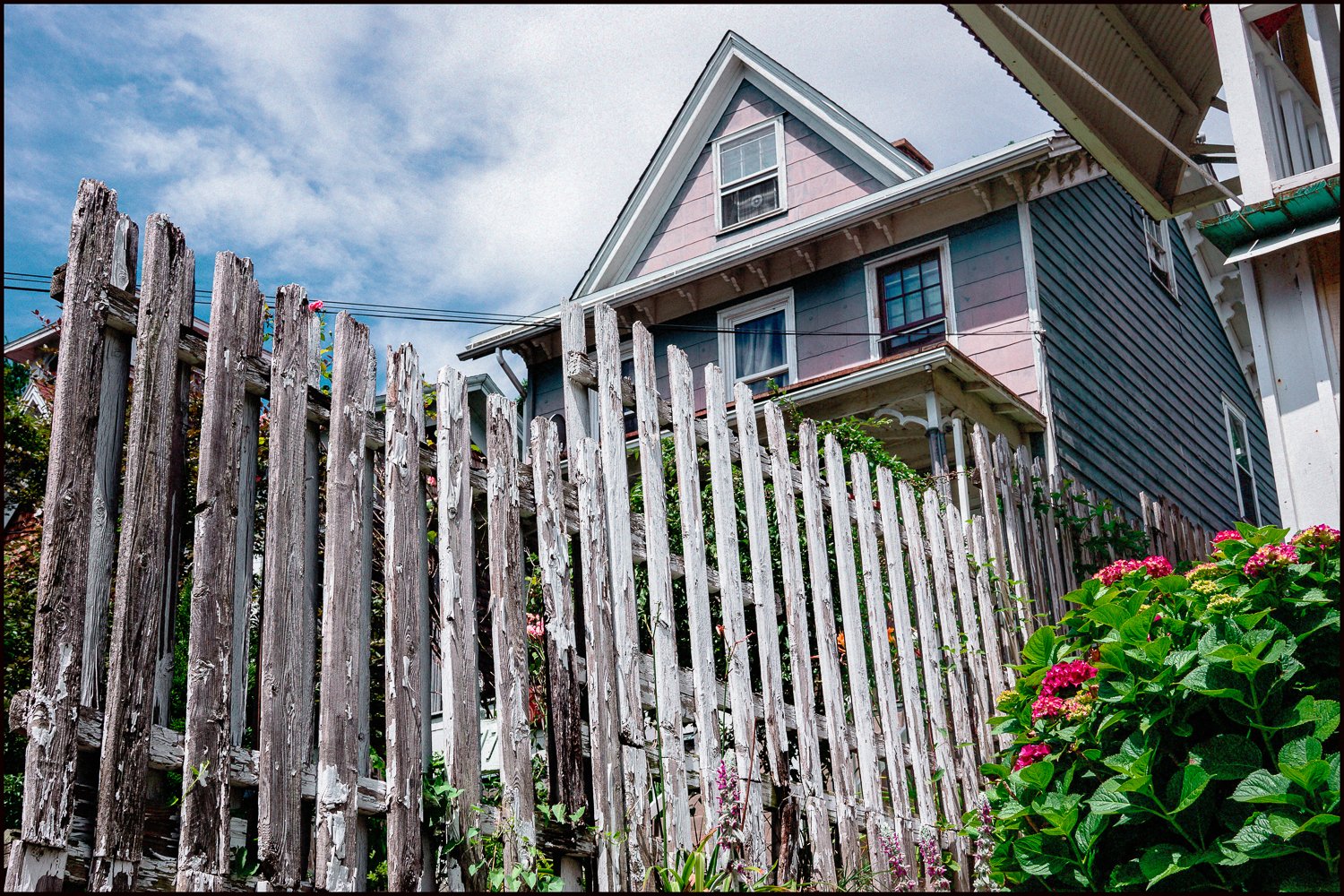
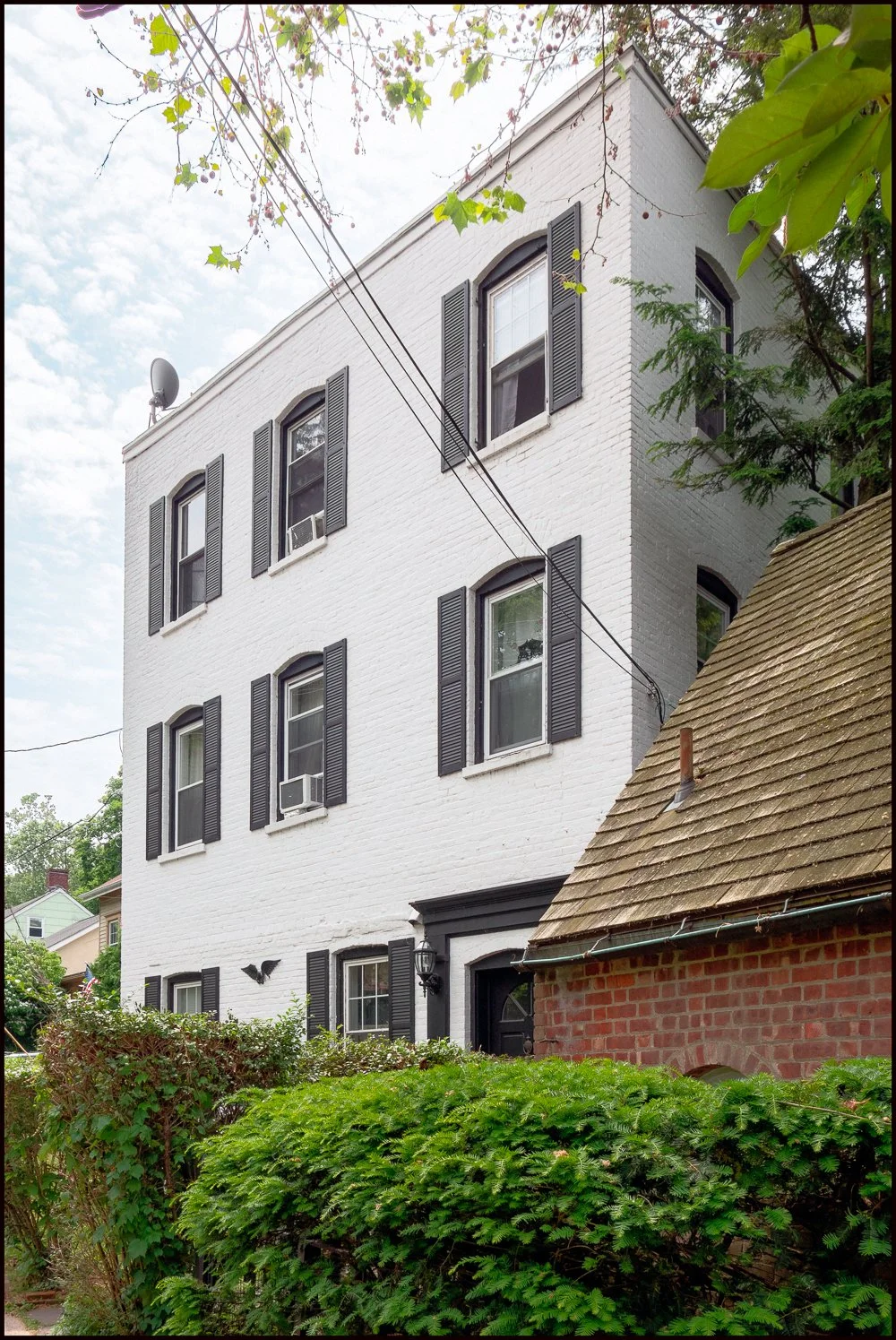
The neighborhood includes the Sparta Historic District, the Jug Tavern, (2nd Picture in the final section) and the Sparta Cemetery. The New Croton Aqueduct and the Old Croton Aqueduct pass close by.
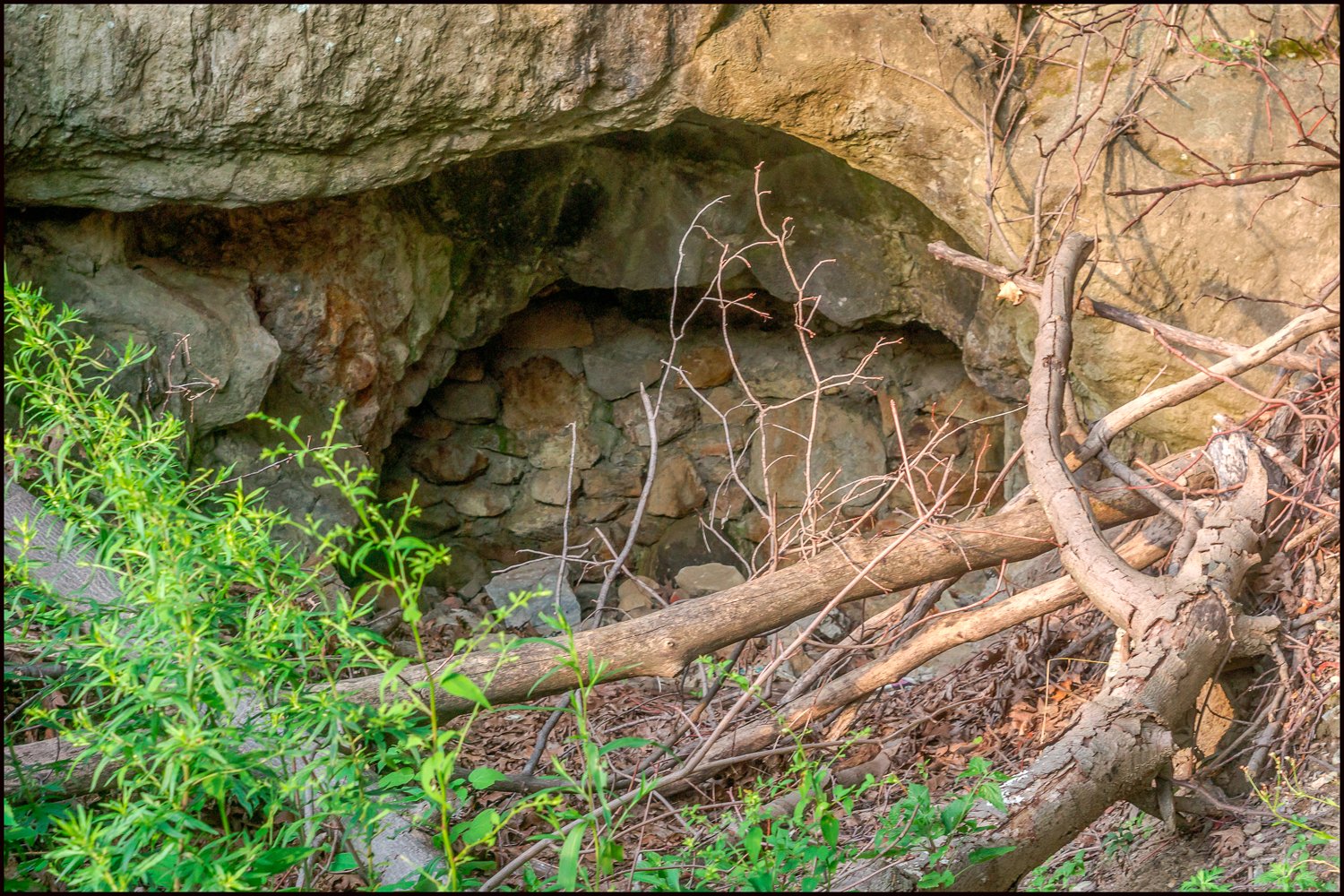
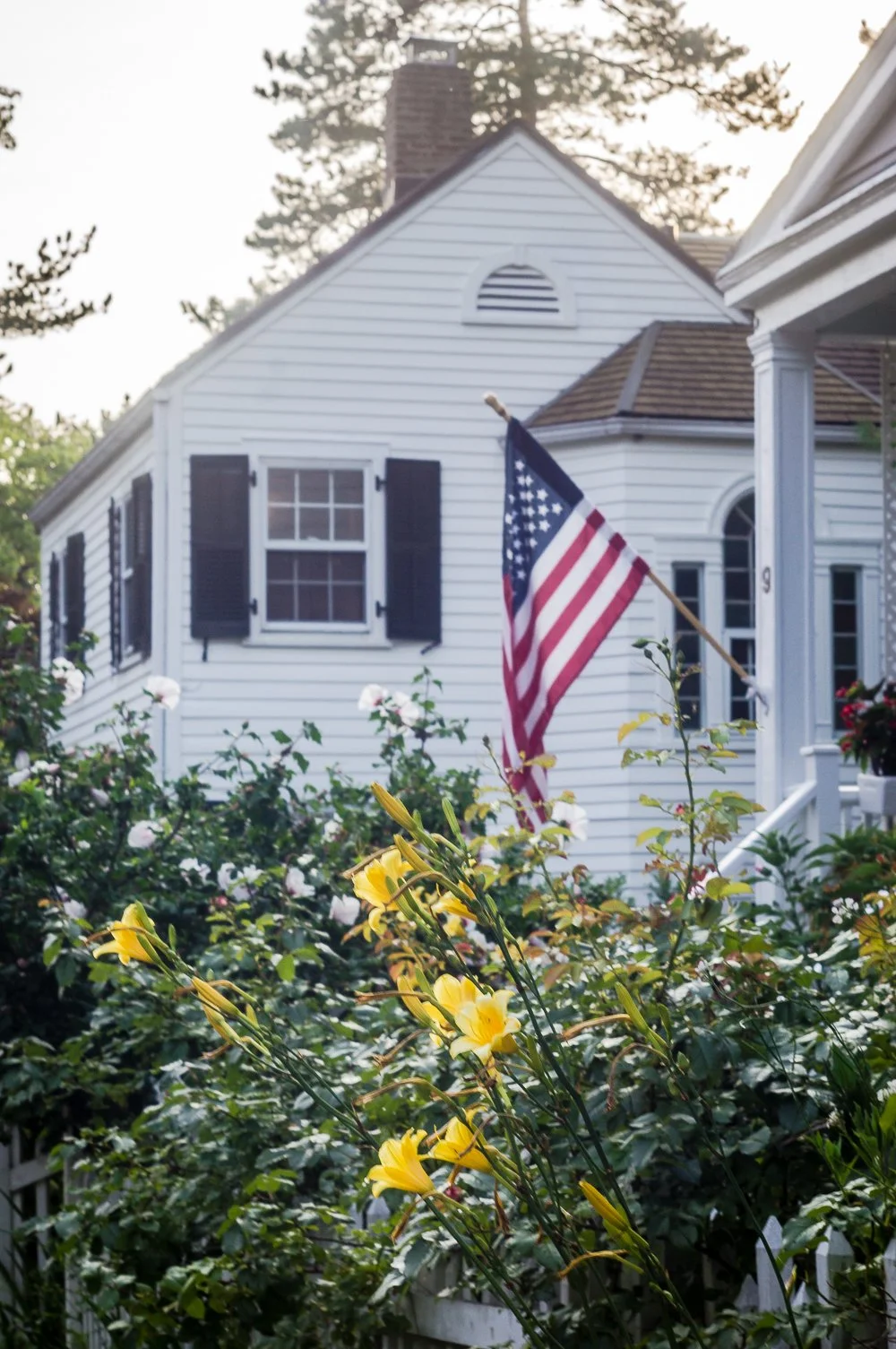
About a mile south of the Ossining village green is the Sparta Mine (3rd picture in the final section), a silver and lead mine (now closed and inaccessible) that was worked prior to the Revolutionary War.
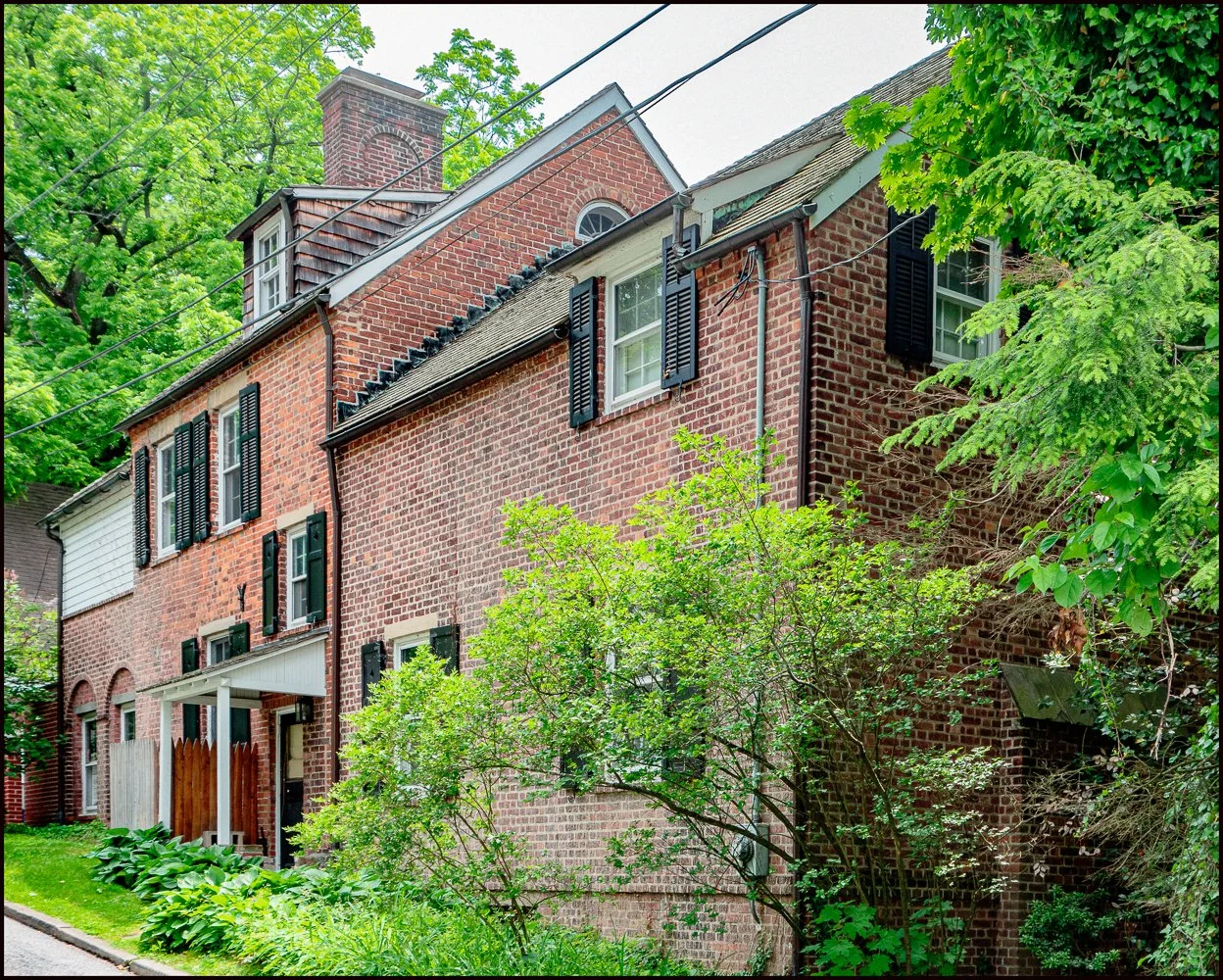
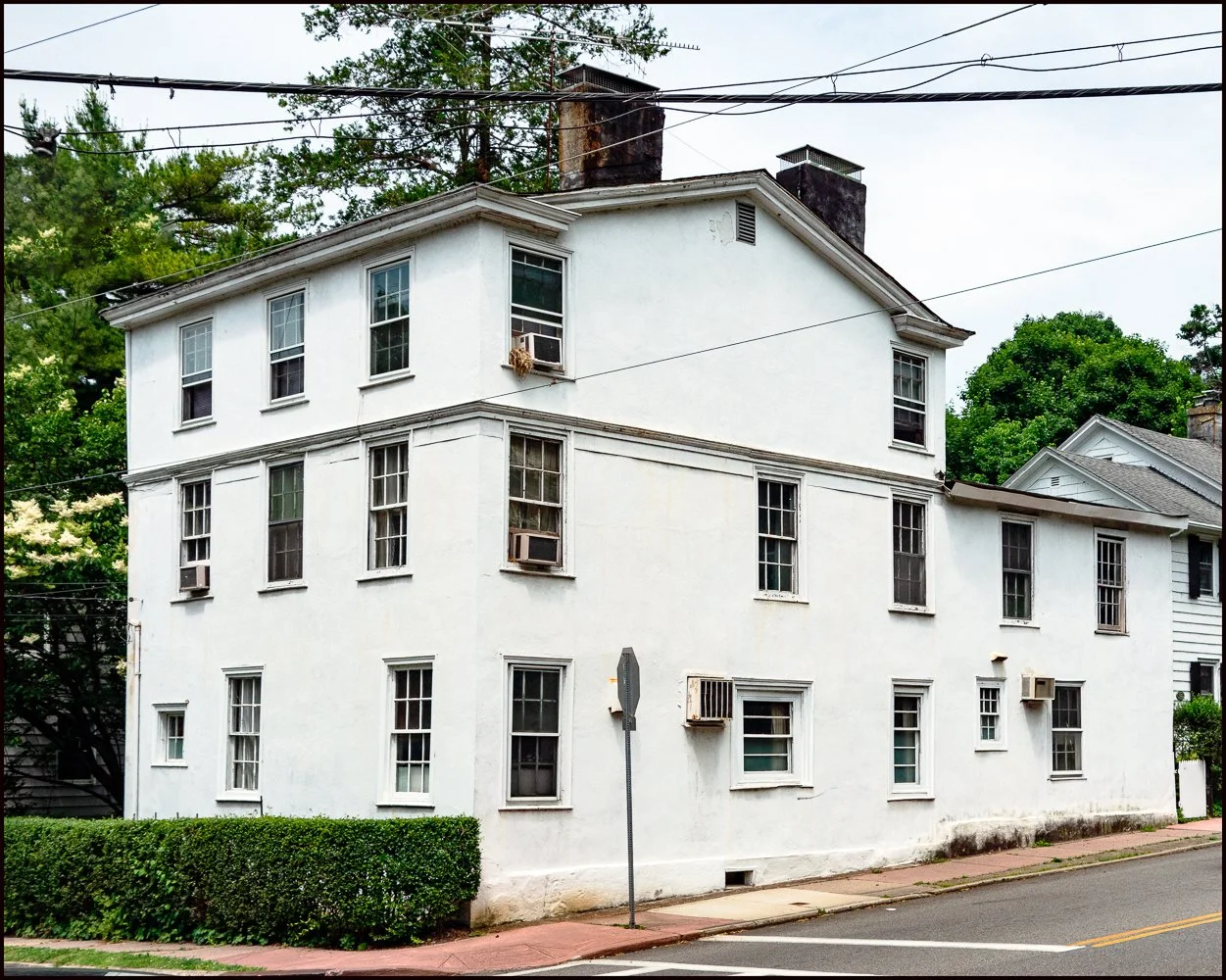
1 Rockledge Avenue (1st Picture in the final section) is one of the oldest existing houses in Sparta and was built circa 1784 by Philip Van Cortlandt. Its first resident was Josiah Rhodes, a man who operated a mustard mill on Sparta Brook with William Kemeys. The property was alleged to have been one of George Washington's headquarters during the Revolutionary War. Frank A. Vanderlip expanded and renovated the house in 1921 and added two new wings. He also bought about 70 nearby homes and business buildings. He tore down dilapidated structures, turned some to face the river, and moved at least one house to a new location.
Trying out a vintage lens
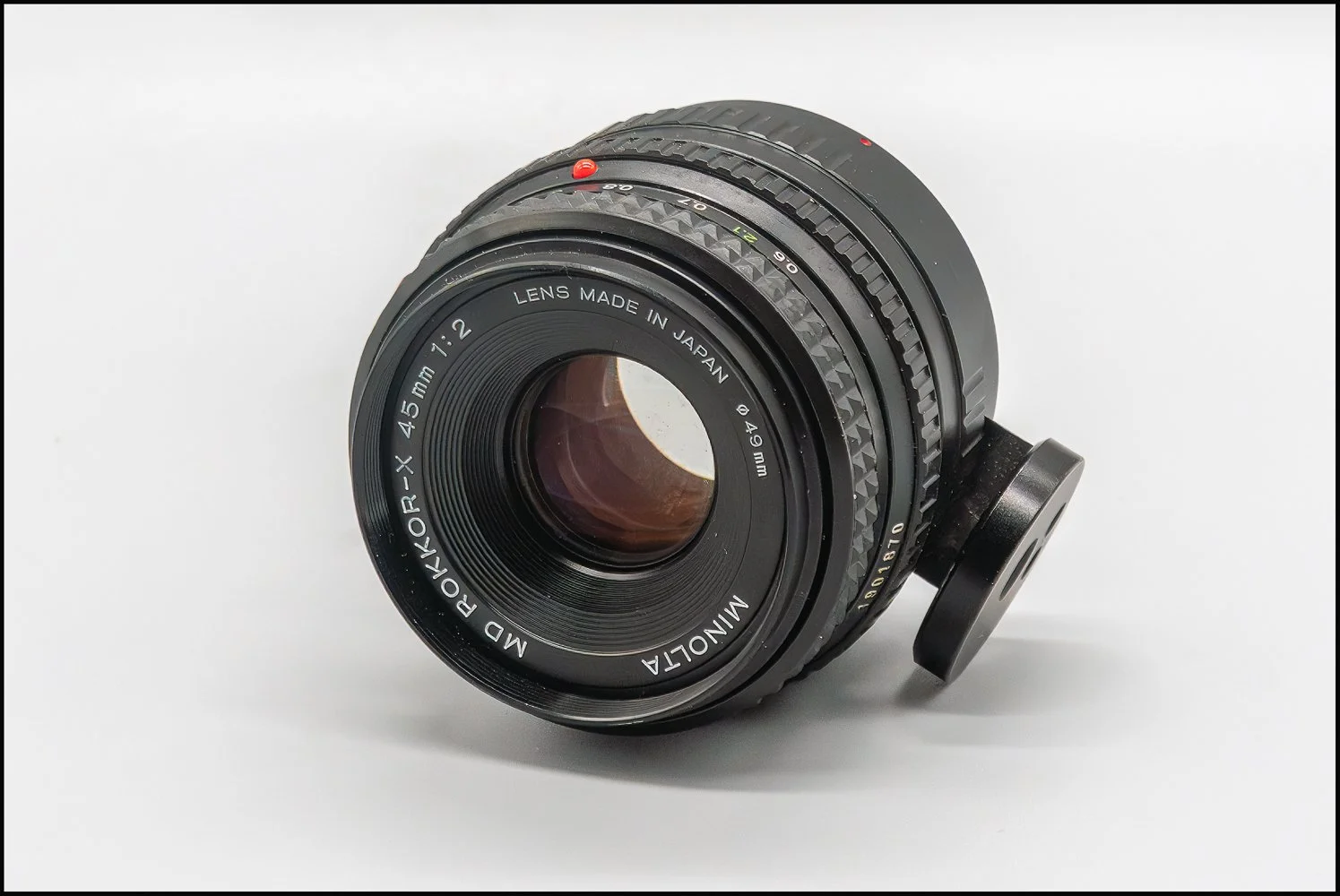
The lens I chose was the one above: a manual focus Minolta MD Rokkor-X 45mm f2. My late wife started my interest in photography around 1980 when she gave me my first serious camera: a Minolta Hi-Matic 7sII, a compact rangefinder camera. My first serious digital camera was also a Minolta (specifically a Konica Minolta Maxxum 5D). I’ve had this lens at least thirteen years but haven’t really used it much. It’s known for its sharpness, size (it’s rather small) and light weight. It’s often referred to as a “pancake lens”. It’s certainly a joy to carry around, particularly on an equally light camera body. Unlike many modern lenses it has an aperture ring. The focus is particularly smooth. Image quality is superb. The lens's compact size and portability make it a popular option for those looking to add a vintage touch to their modern photography setup (I used it on a modern Sony AIV with an MD to Sony e mount adapter). Using vintage lenses can sometimes be a “pain in the neck”, but I really enjoyed using this one.
Lunch at Los Abuelos
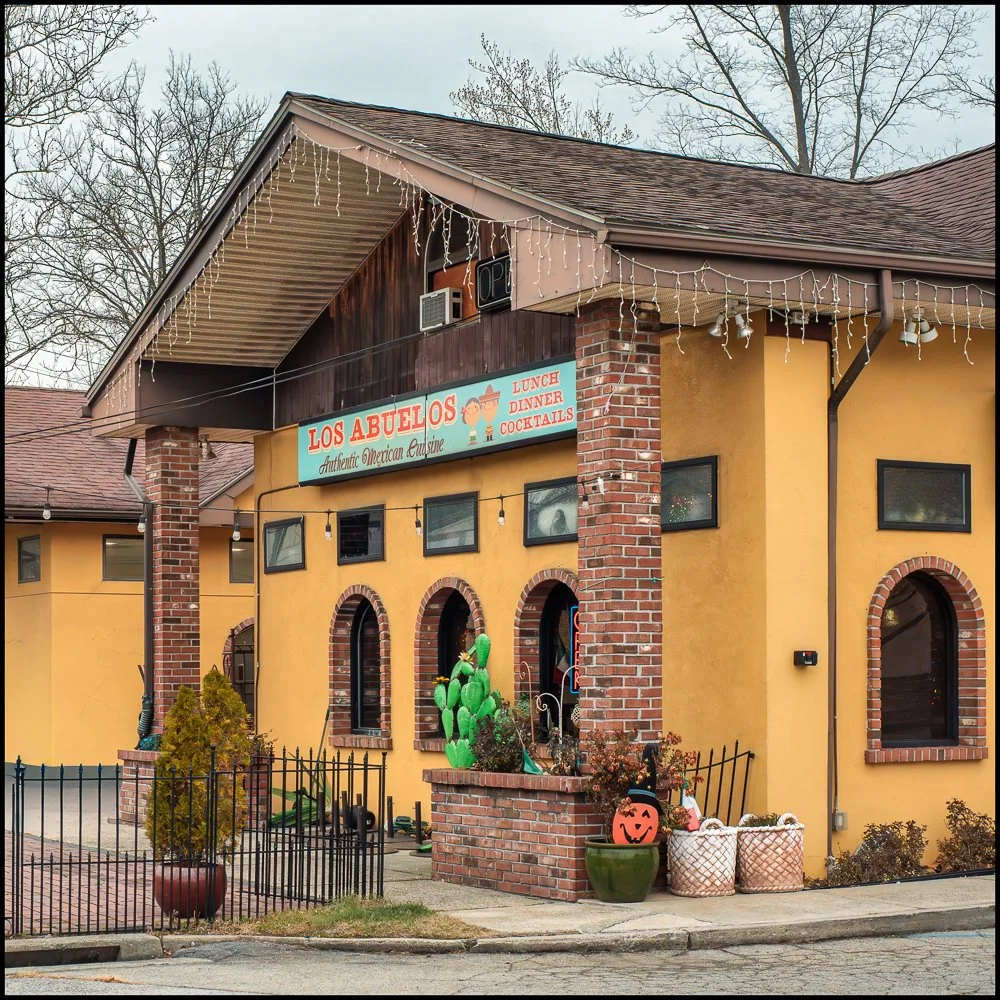
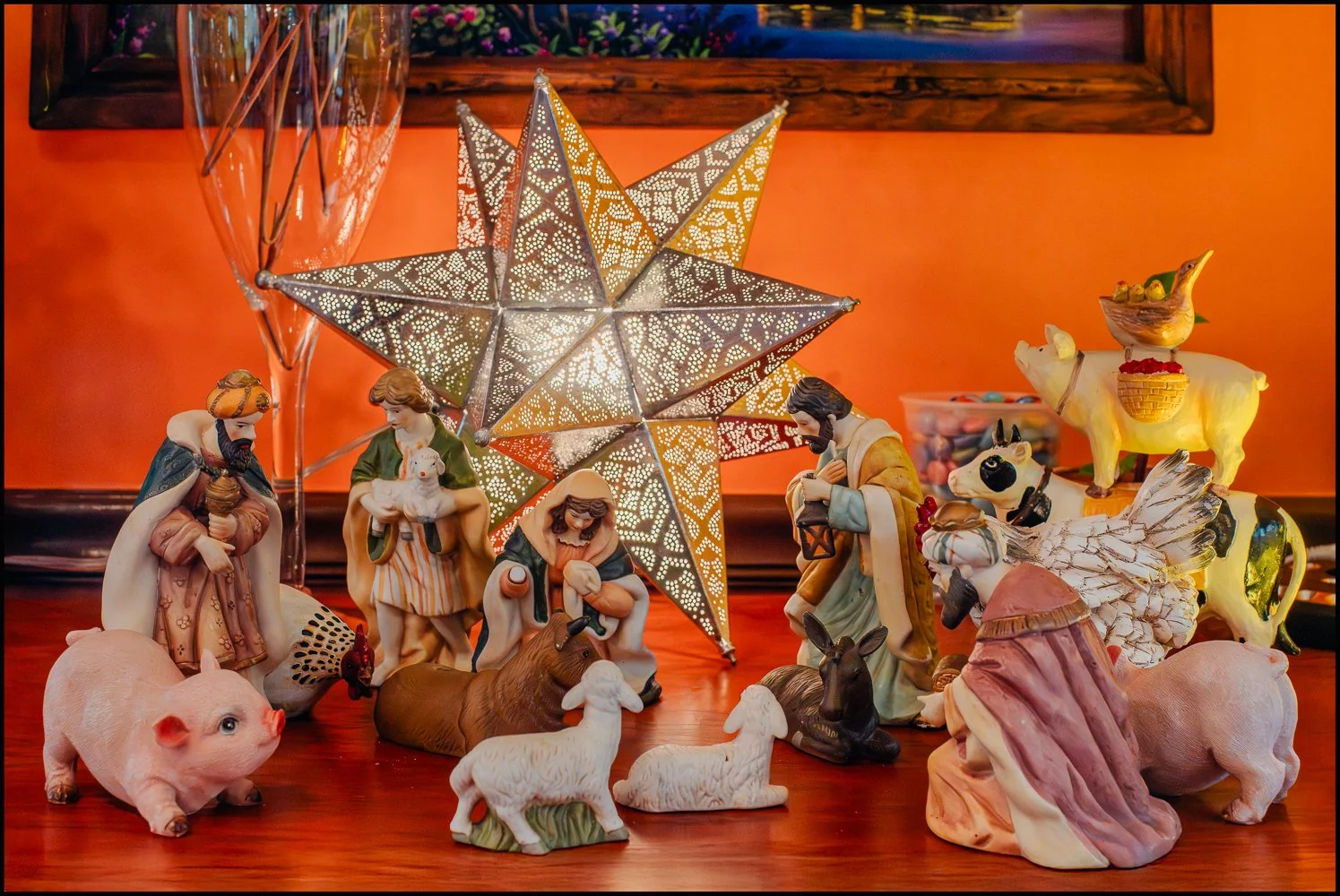
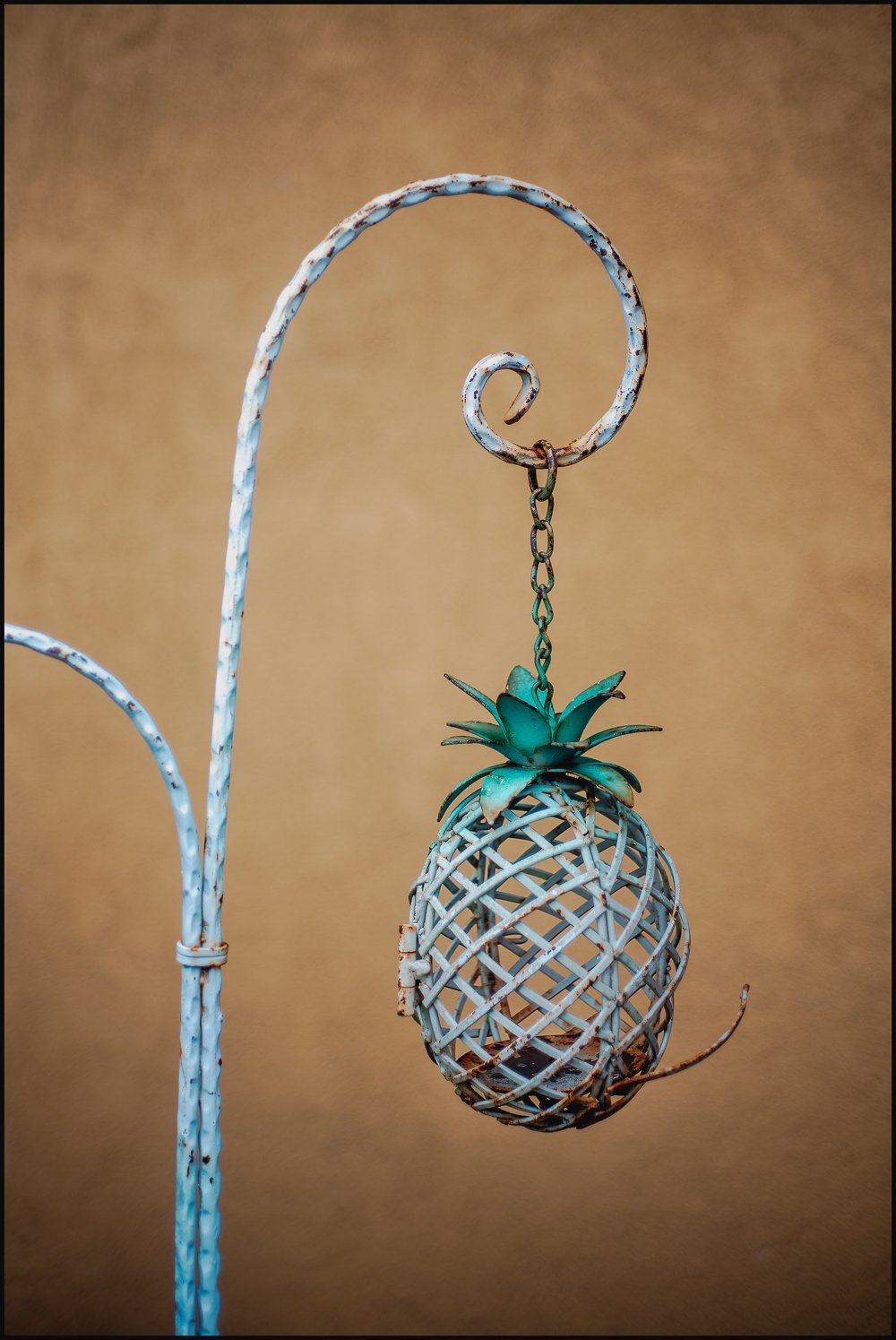
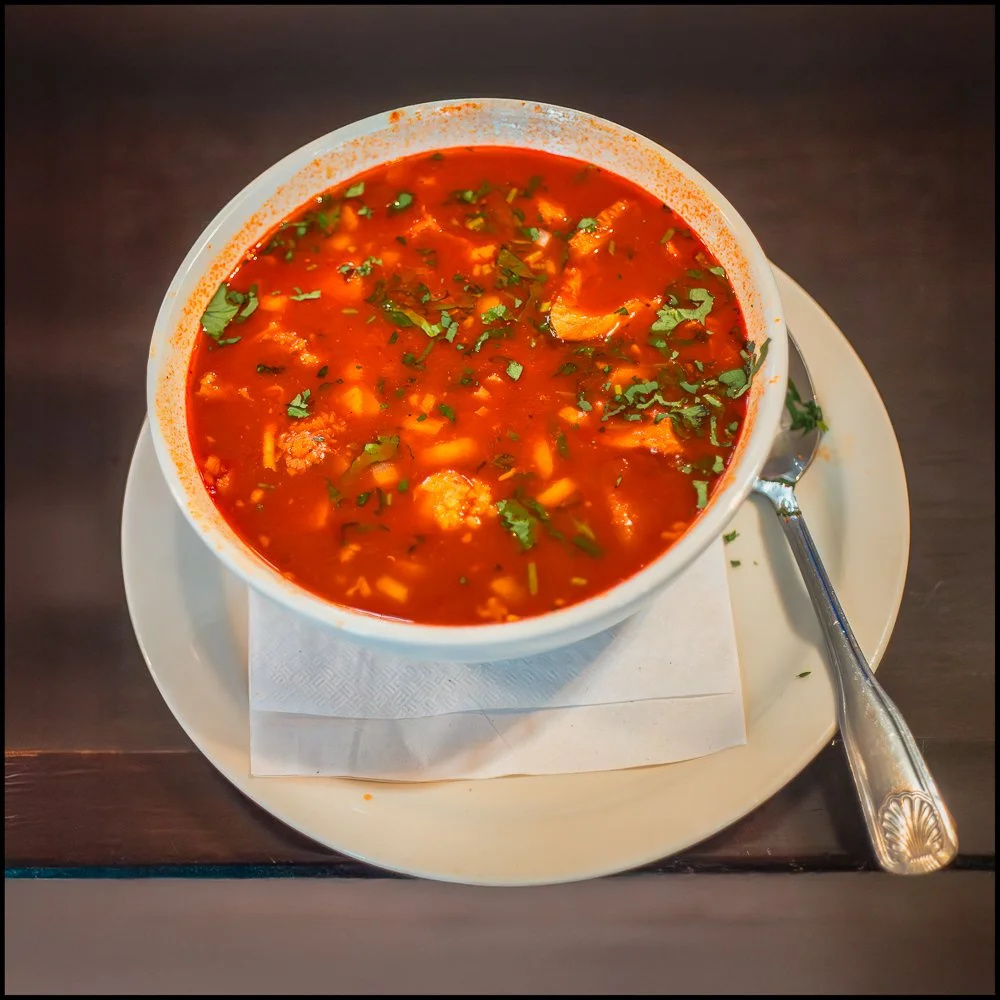
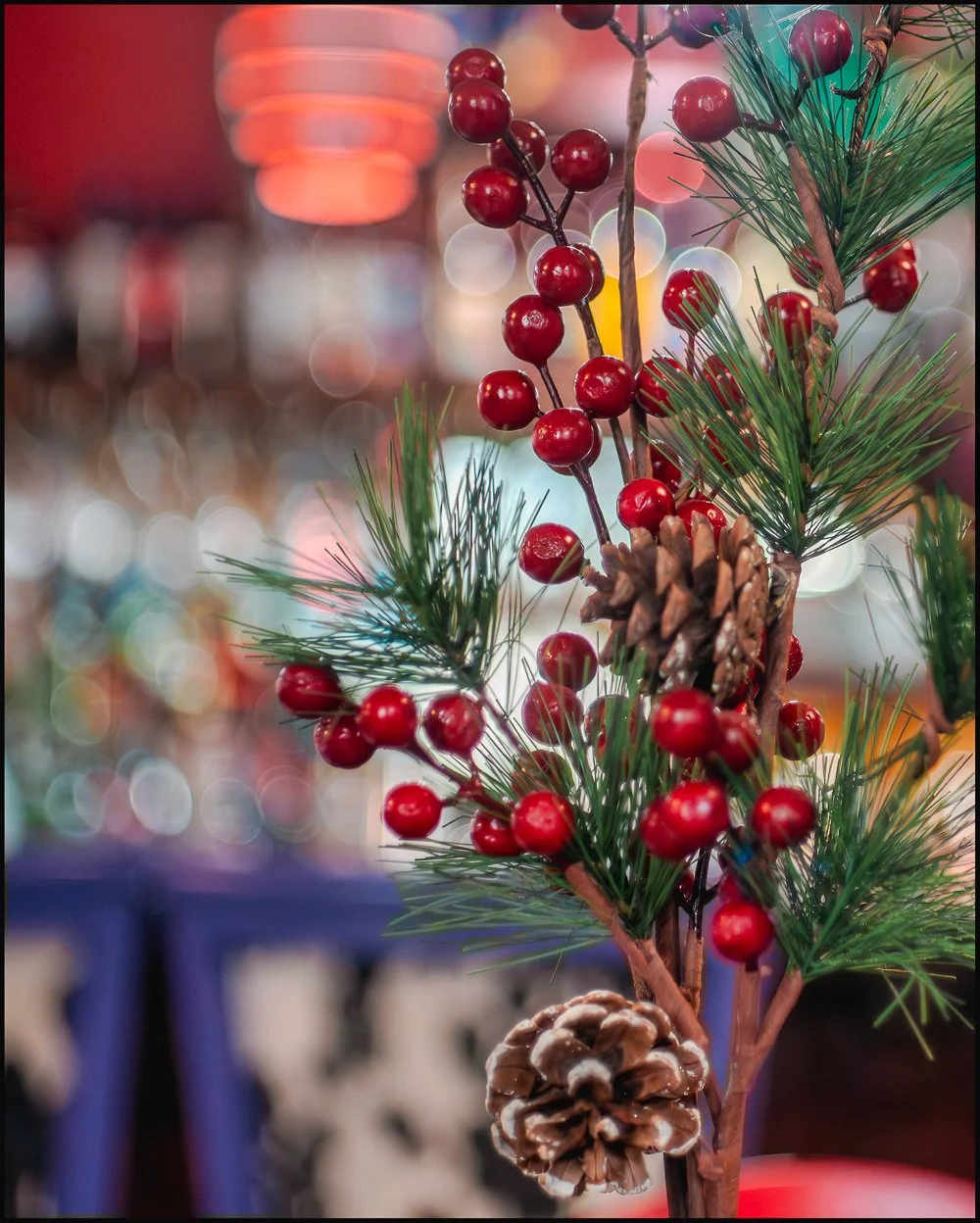
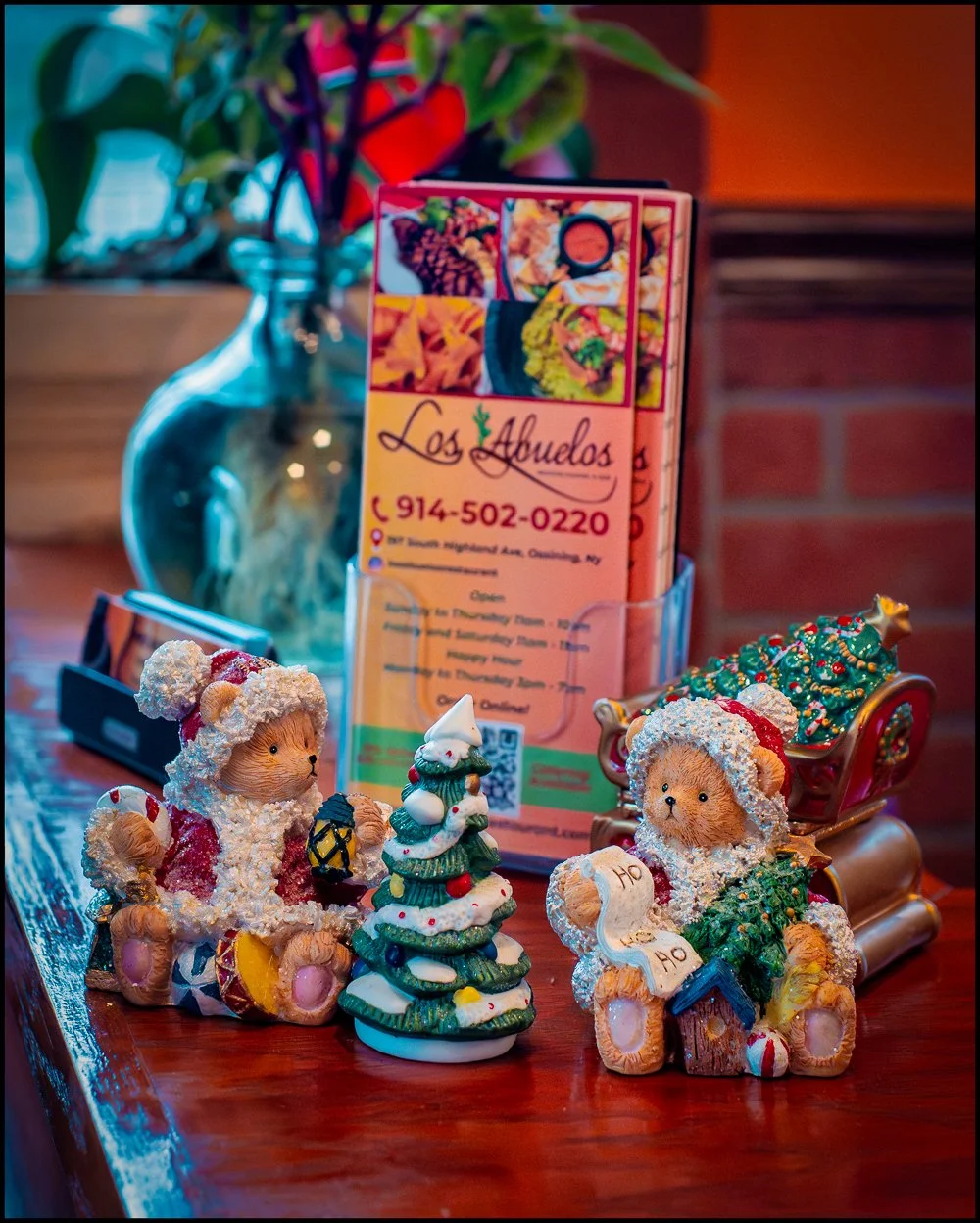
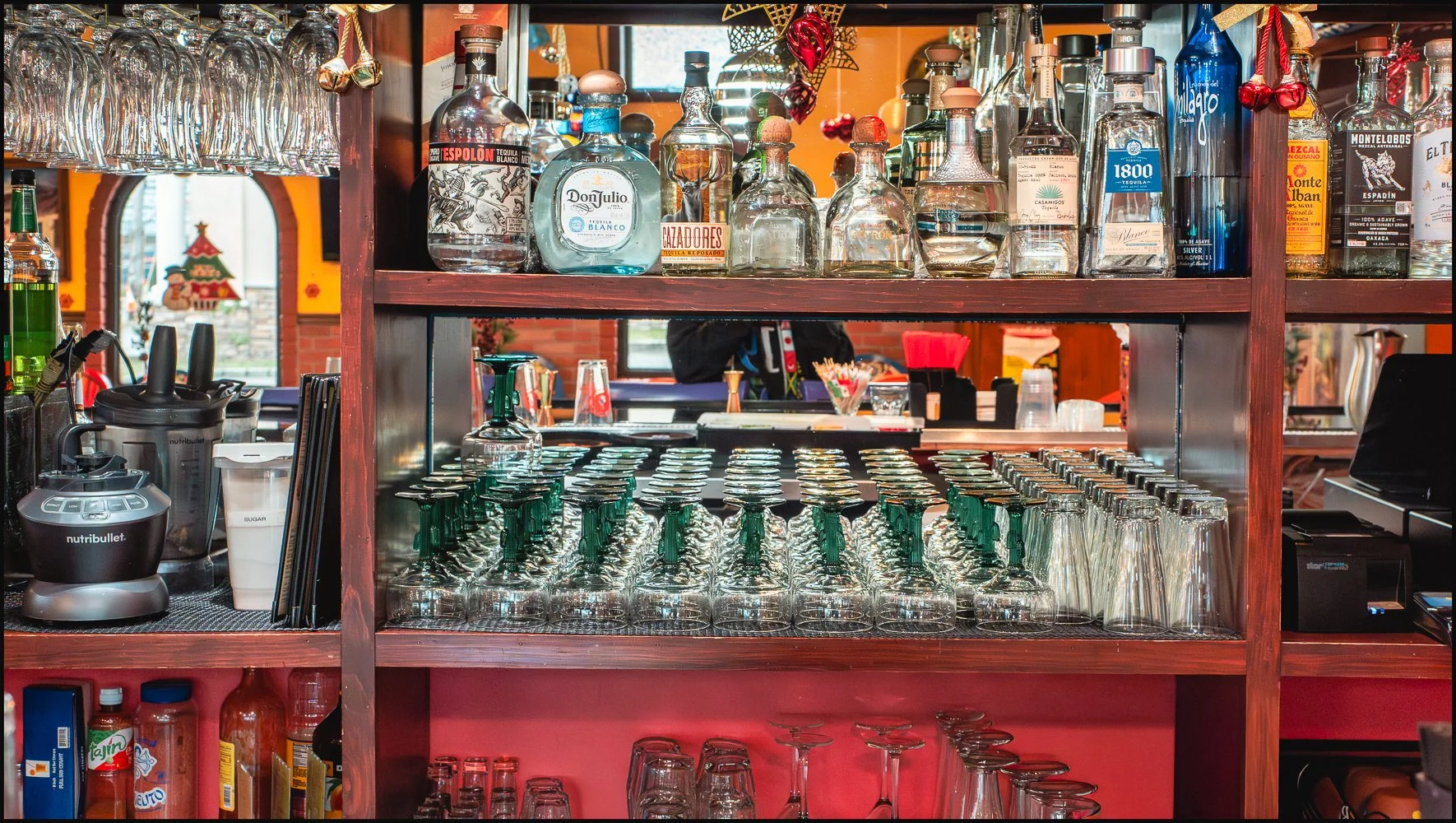
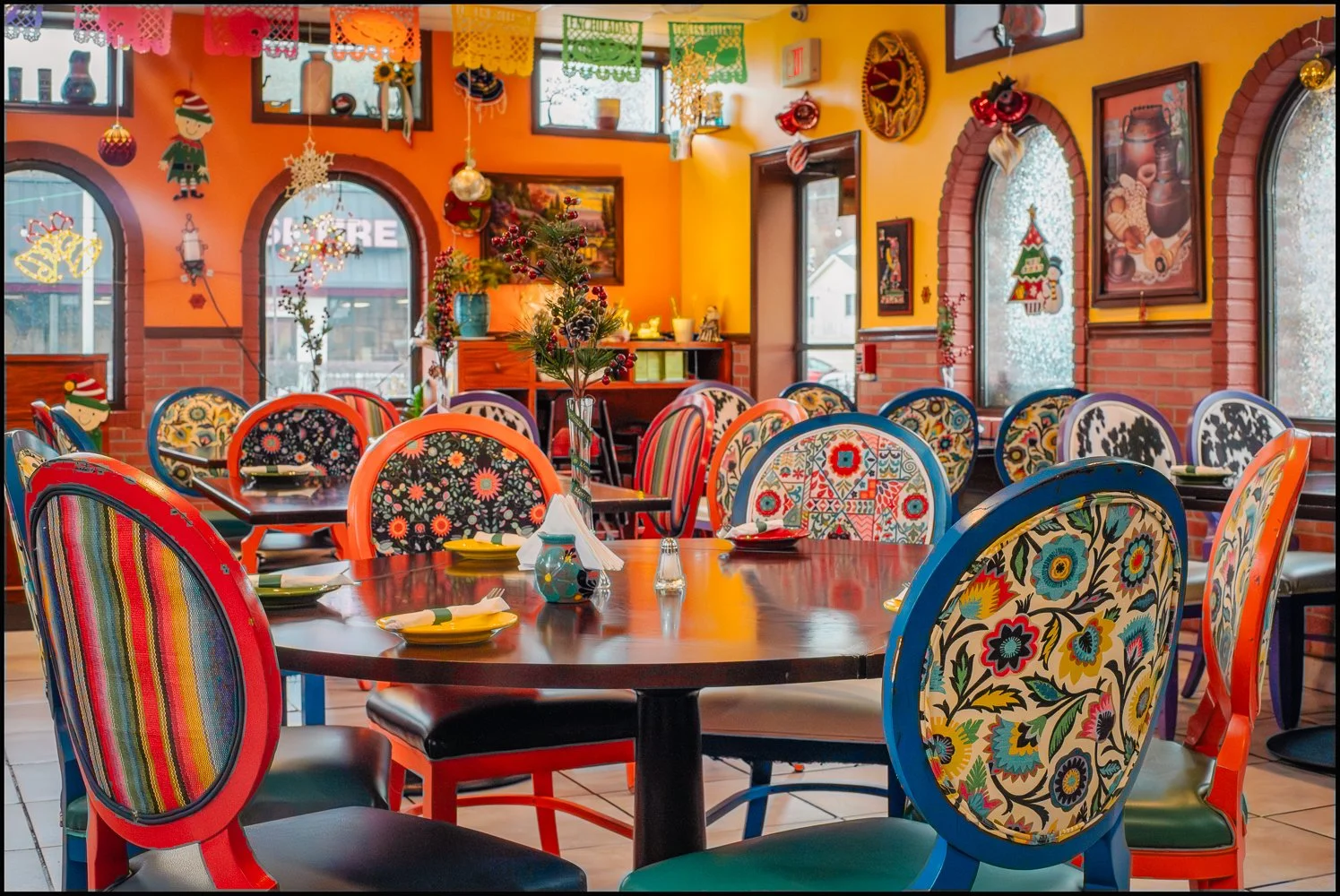
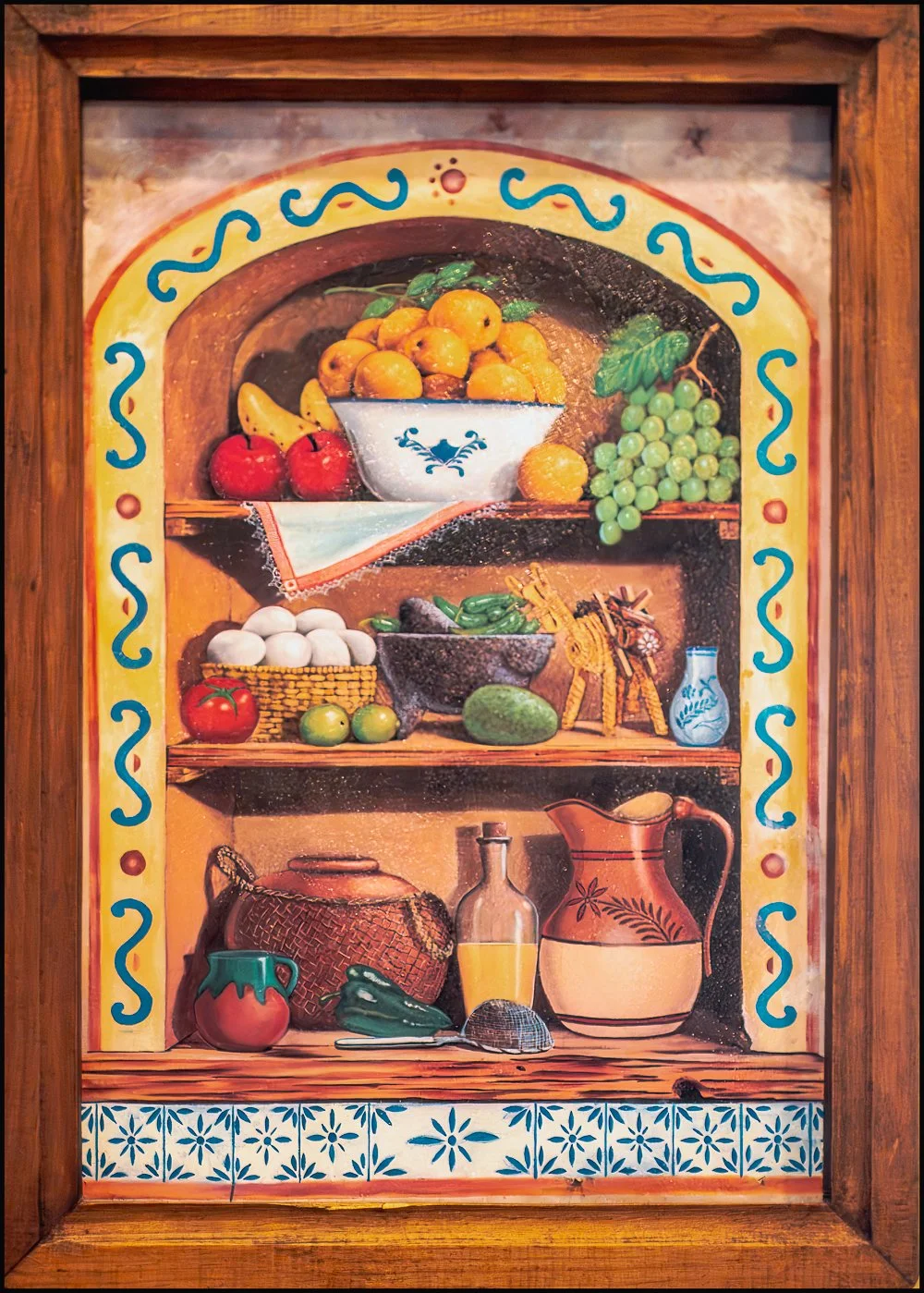
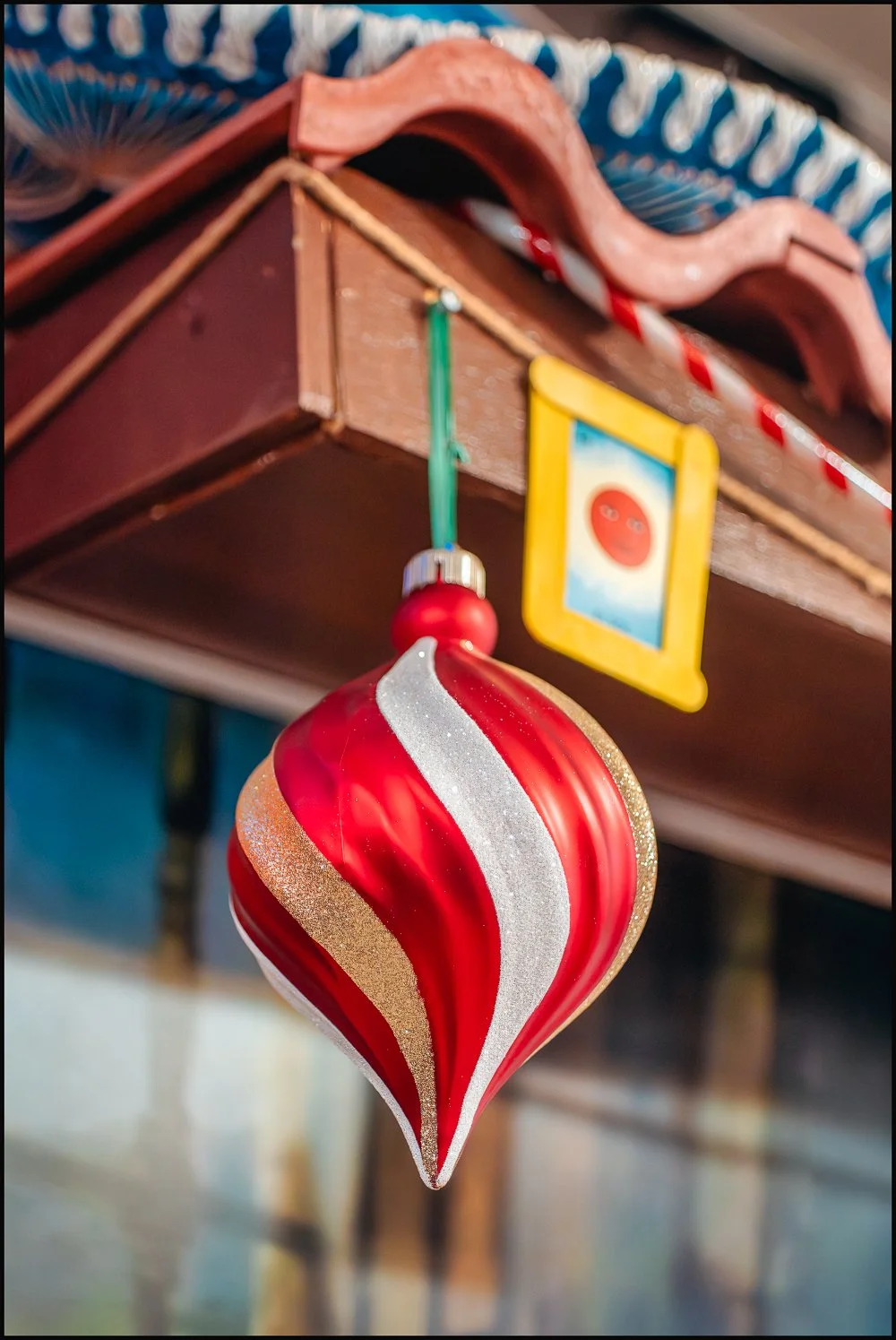
I was rather hungry, so my first stop was for some food. I decided to go to “Los Abuelos” for some Mexican food. I ‘ve been there before and remembered that, like many Mexican restaurants the interior was quite colorful (and indeed it was) so in addition to the food, I thought it might a a good place to try out the vintage lens. What did I have to eat? Well, I had the red liquid in the fourth picture above. It’s spicy tripe soup. Maybe not to everyone’s taste, but I enjoyed it. Of course, I’ve had tripe many times before, so it wasn’t a surprise. What did surprise me was how spicy it was. I love spicy food, but this was a bit too hot even for me. Didn’t stop me from eating it though.
A Yellow Car
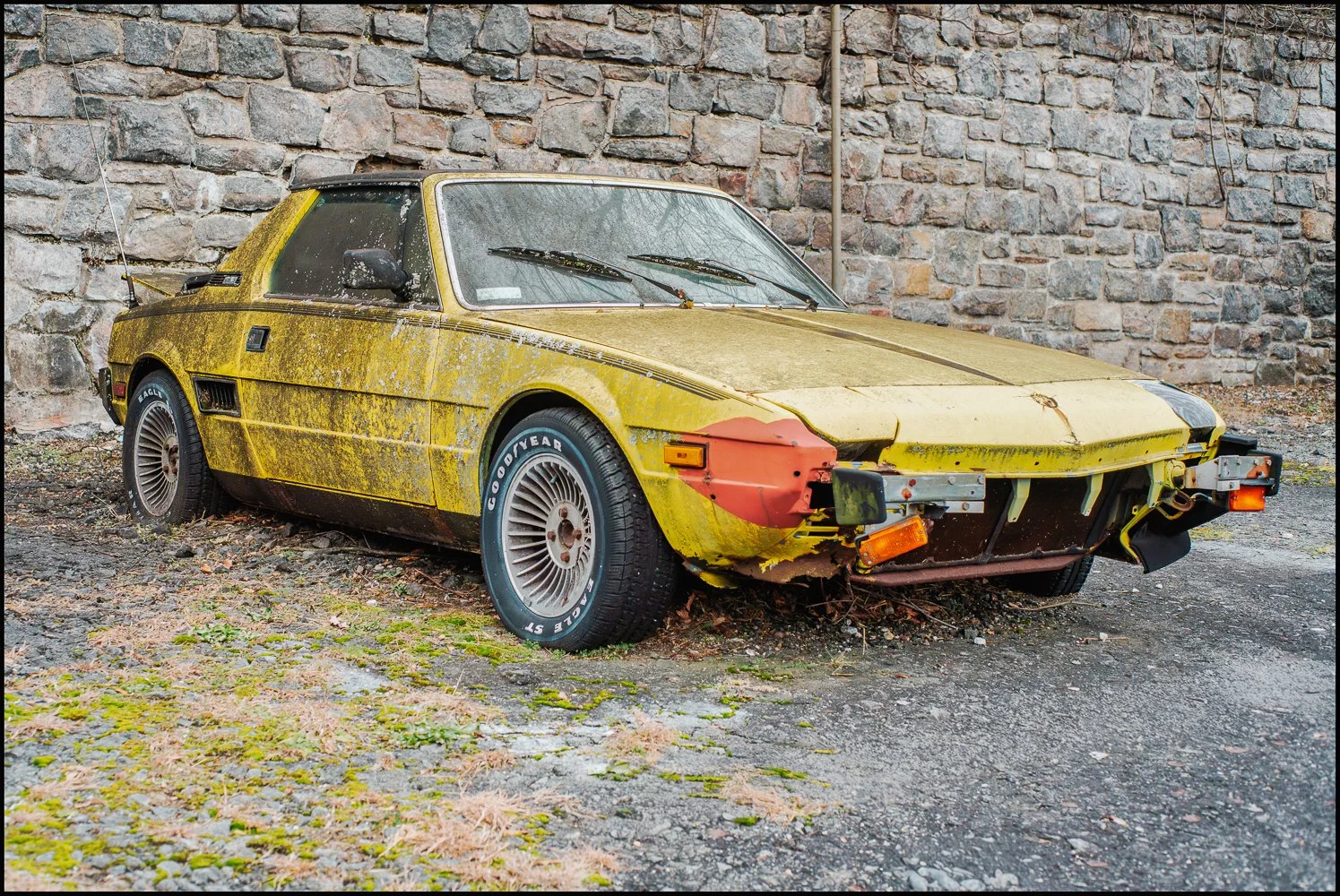
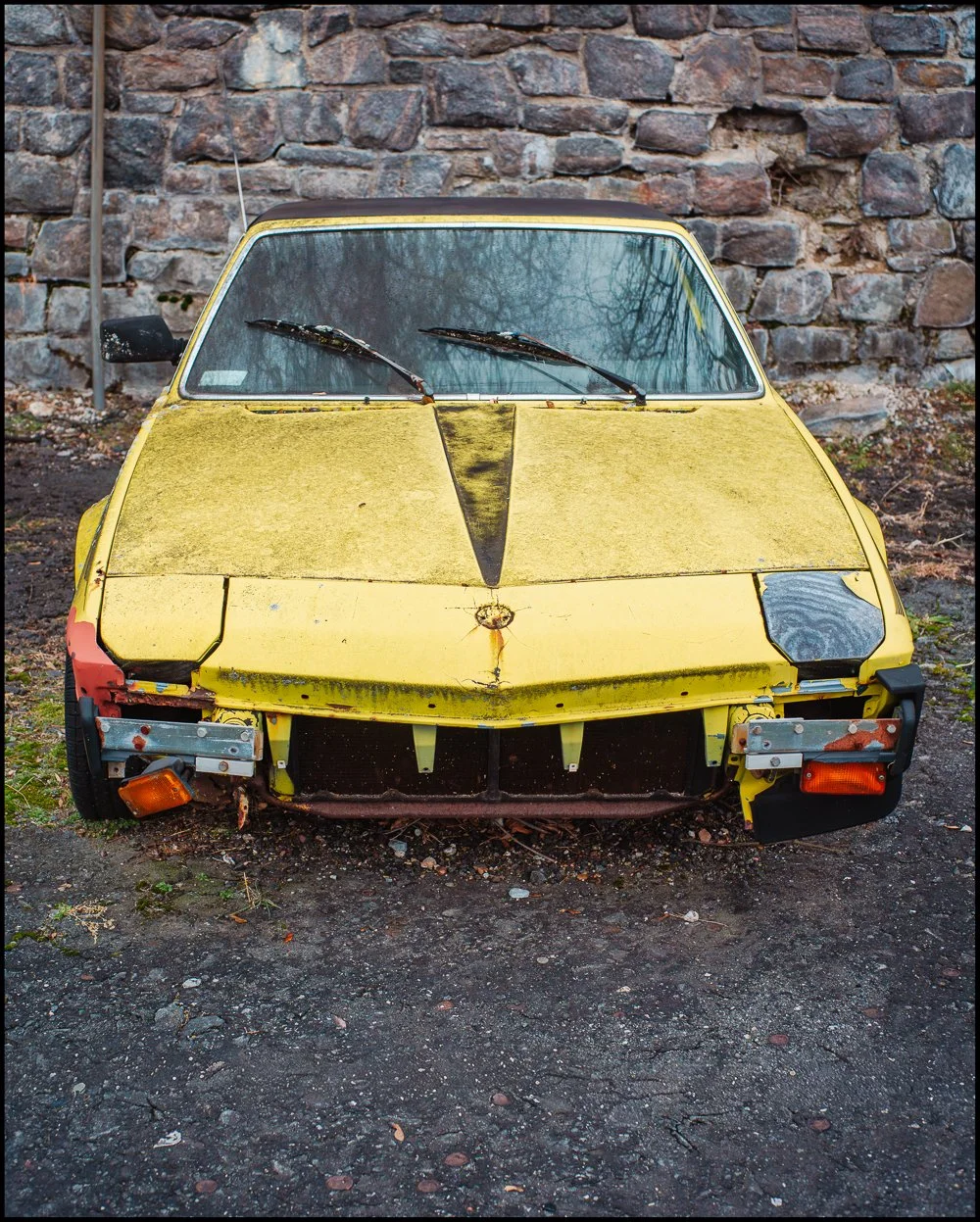

This car has been standing in a fenced, vacant lot near where I live for many years. When I went by recently, I noticed that the gate was open, so I went over to take a look. I imagine it was once quite an attractive vehicle. I didn’t know what it was, so I asked my Facebook friends.
A former colleague replied:
“The Google says this: Based on the image, the car appears to be a Fiat X1/9. It’s a mid-engined, two-seater sports car designed by Bertone and produced by Fiat from 1972 to 1982, and later by Bertone from 1982 to 1989 (where it was often branded simply as a Bertone).
The distinctive wedge shape, pop-up headlights, and targa roof are characteristic features of the X1/9. The vehicle in the photo looks like an older, possibly neglected, example.”
And a friend (and former owner of such a vehicle) who lives in Geneva, Switzerland told me:
“Wow this brings back memories. It is a Fiat X1/9. I owned one circa 1979. It was the first inexpensive mid-engine sports car for the general market. The engine revved up to 7000 rpm and surprisingly pulled through its entire range. It was happiest at 4-5000. The earliest versions only had 1300cc 70hp engines with a four-speed gearbox. I had the 1500cc version with a five-speed gearbox. It had a nice racy engine noise with the motor behind the driver’s head. Not a lot of power but solid handling and great fun to drive.
The targa roof was stored behind the engine and it was nice to have off in Summer although I preferred a true convertible like the Triumph TR6 I later drove.I remember it had many of the quirks of Italian cars of the period such as windows cranking in reverse and the Tachometer reading counterclockwise, odd switches etc. but so did most sports cars back then.
Of course, it is a tiny car – with a driver and passenger there was only room for one small carryon bag in the frunk and a small bag behind the engine compartment. Totally impractical but an inexpensive experience I enjoyed before facing the pragmatic realities of adult life.
Sparta Cemetery
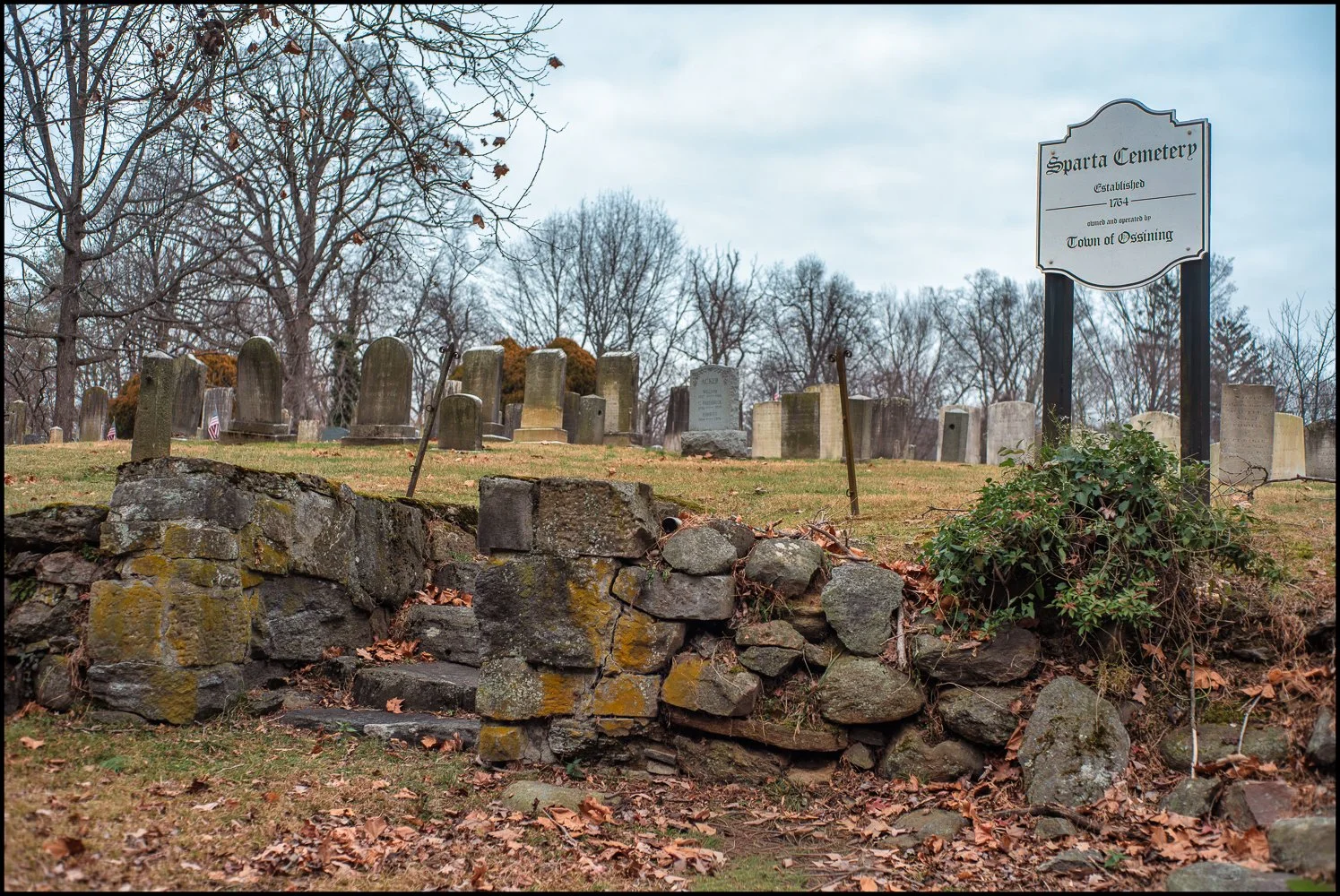
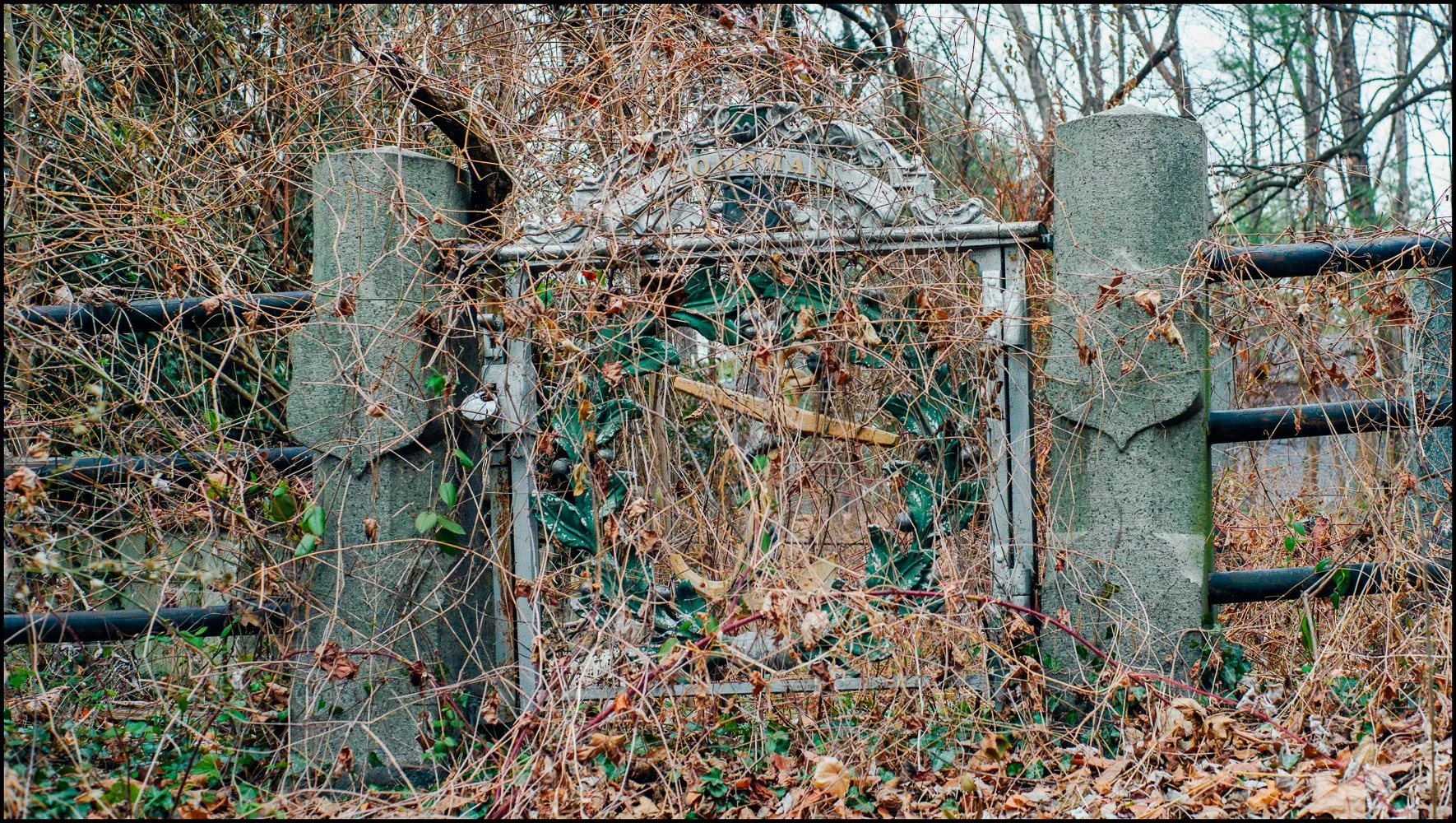
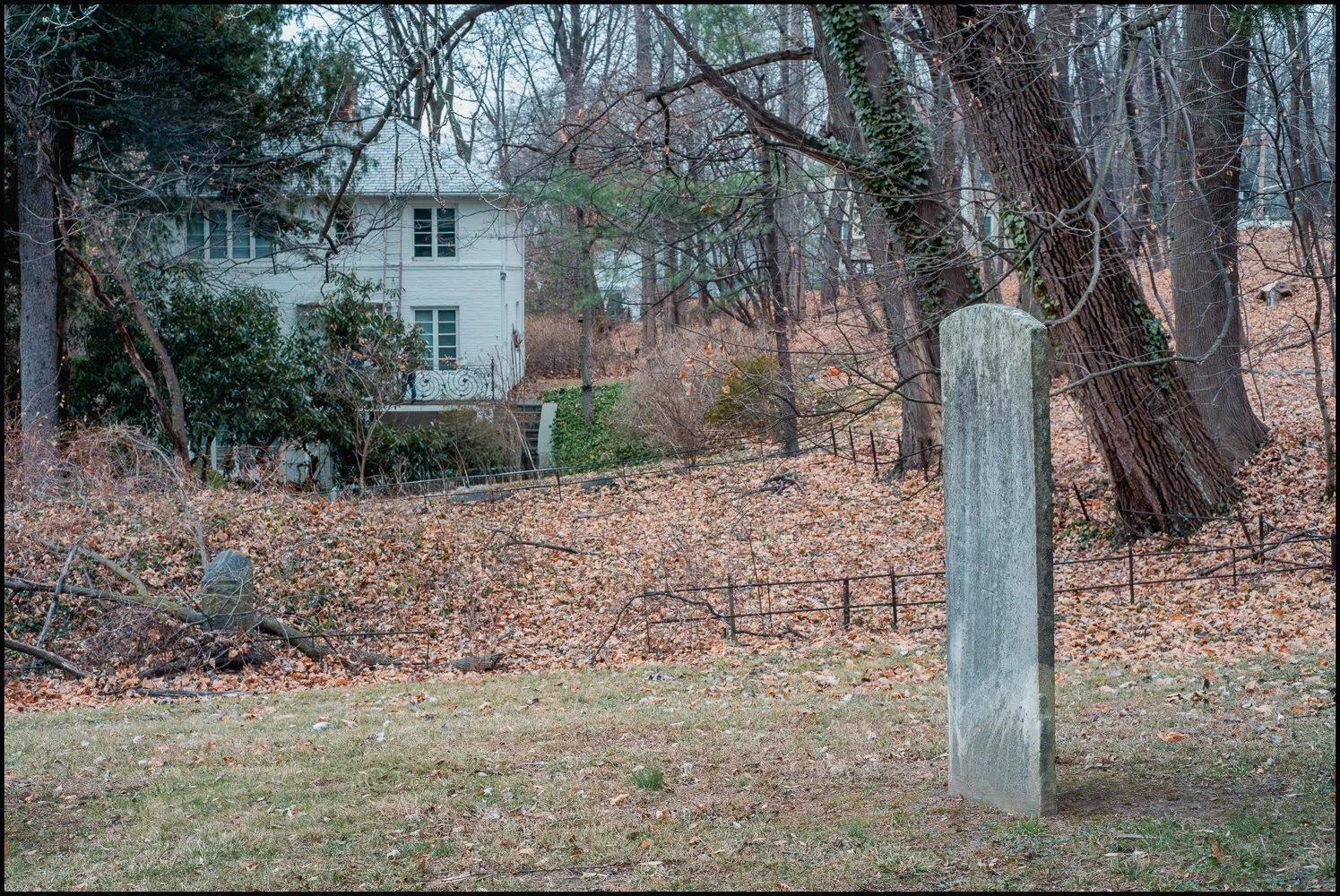
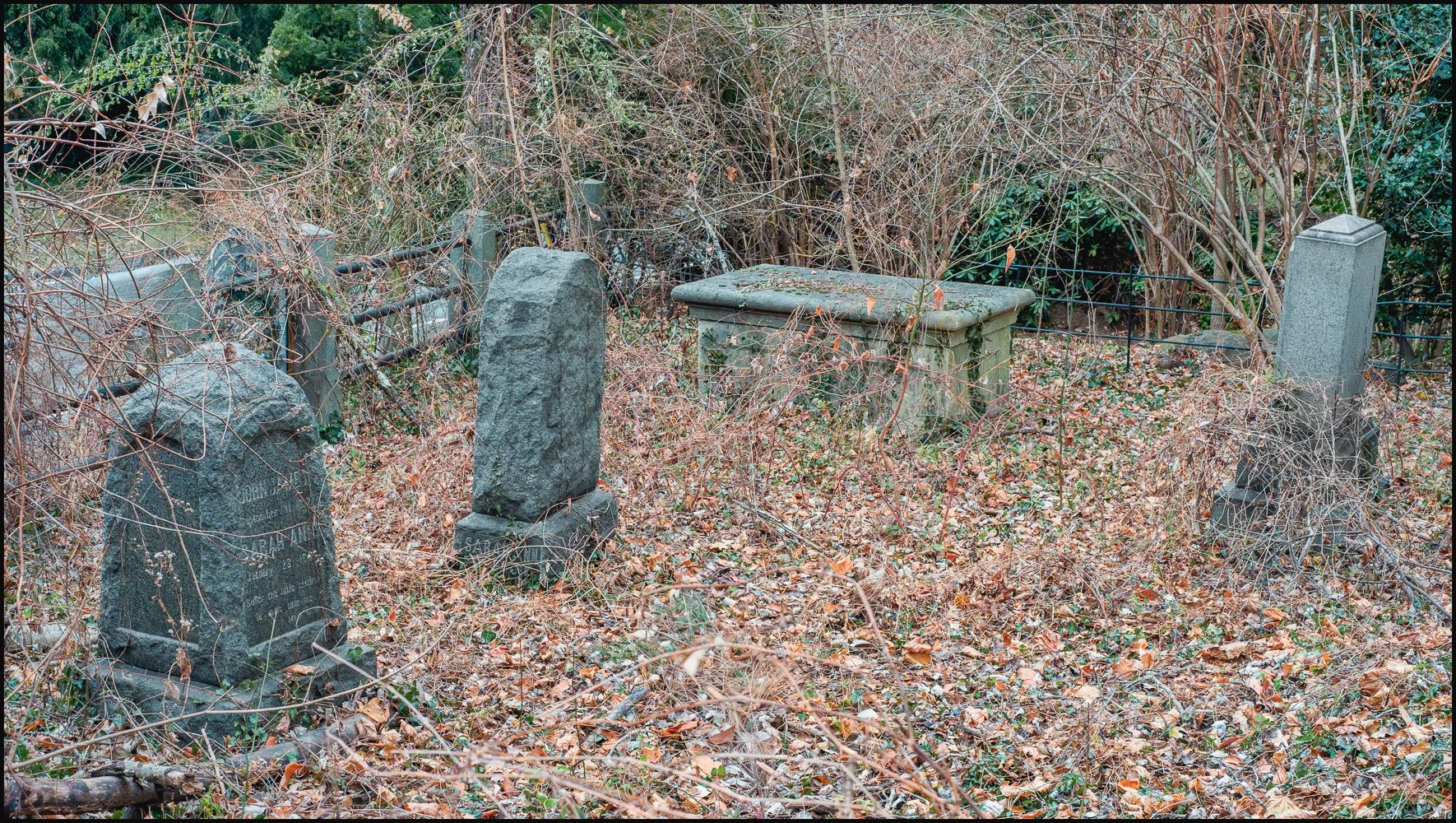
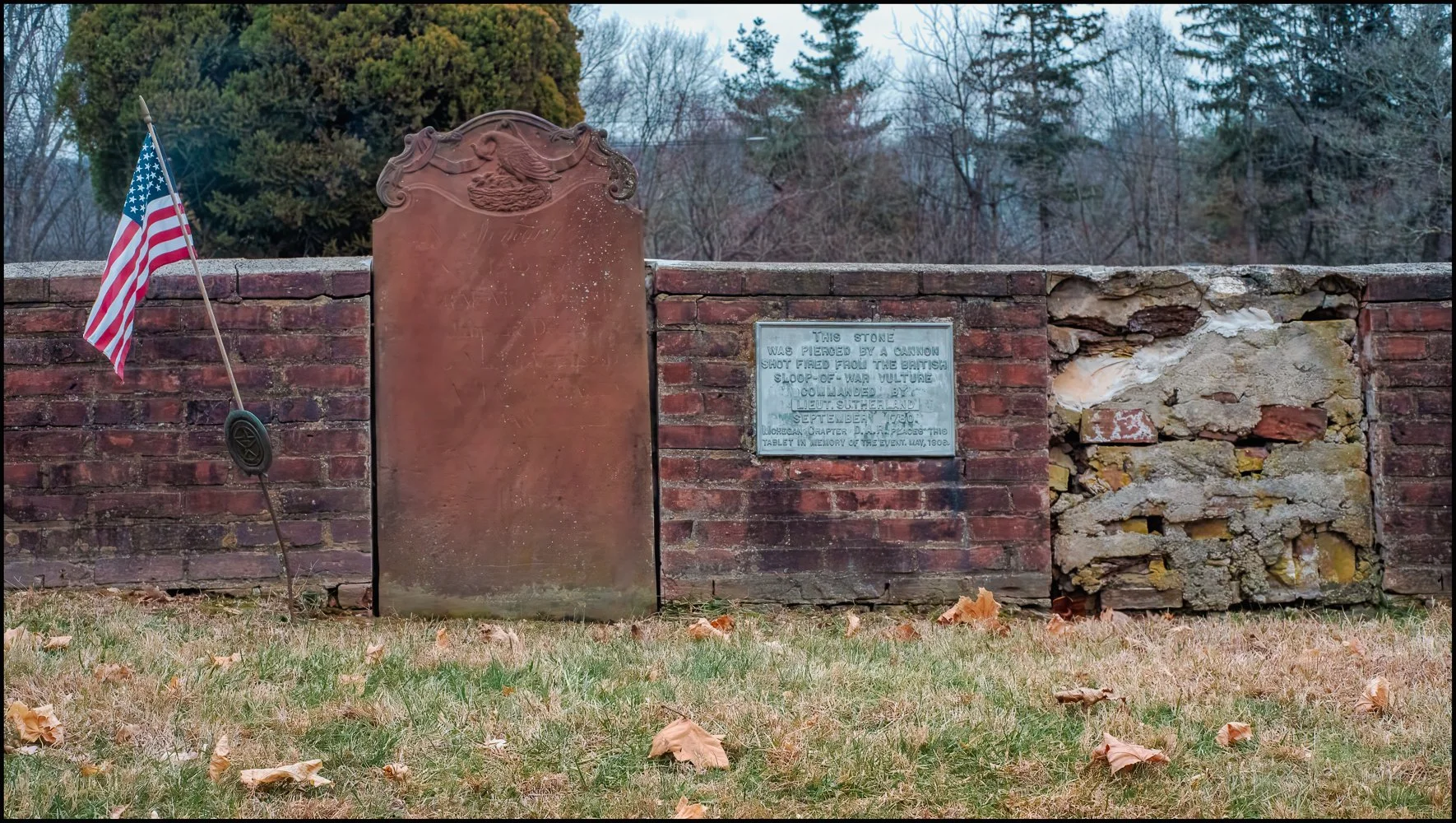
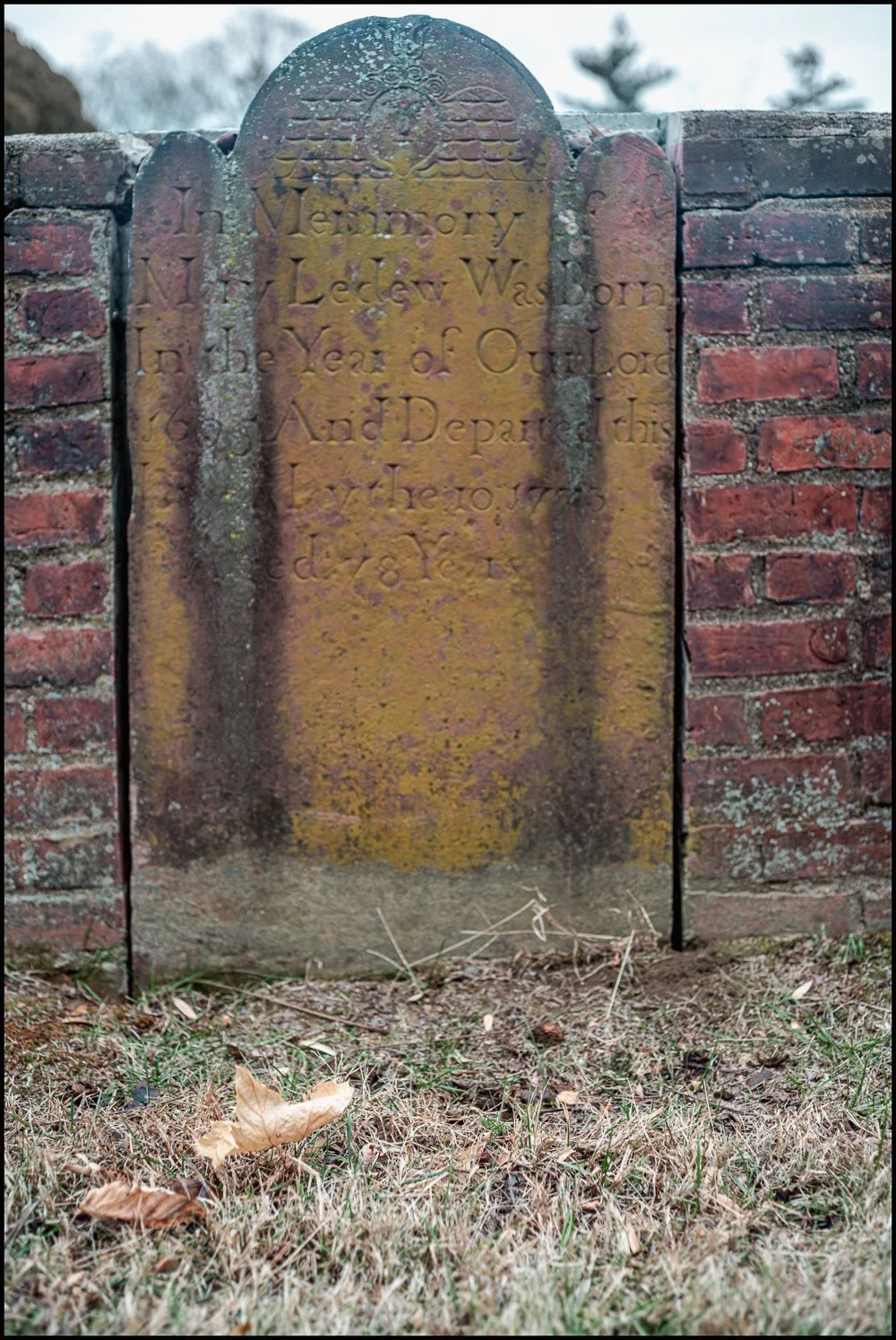
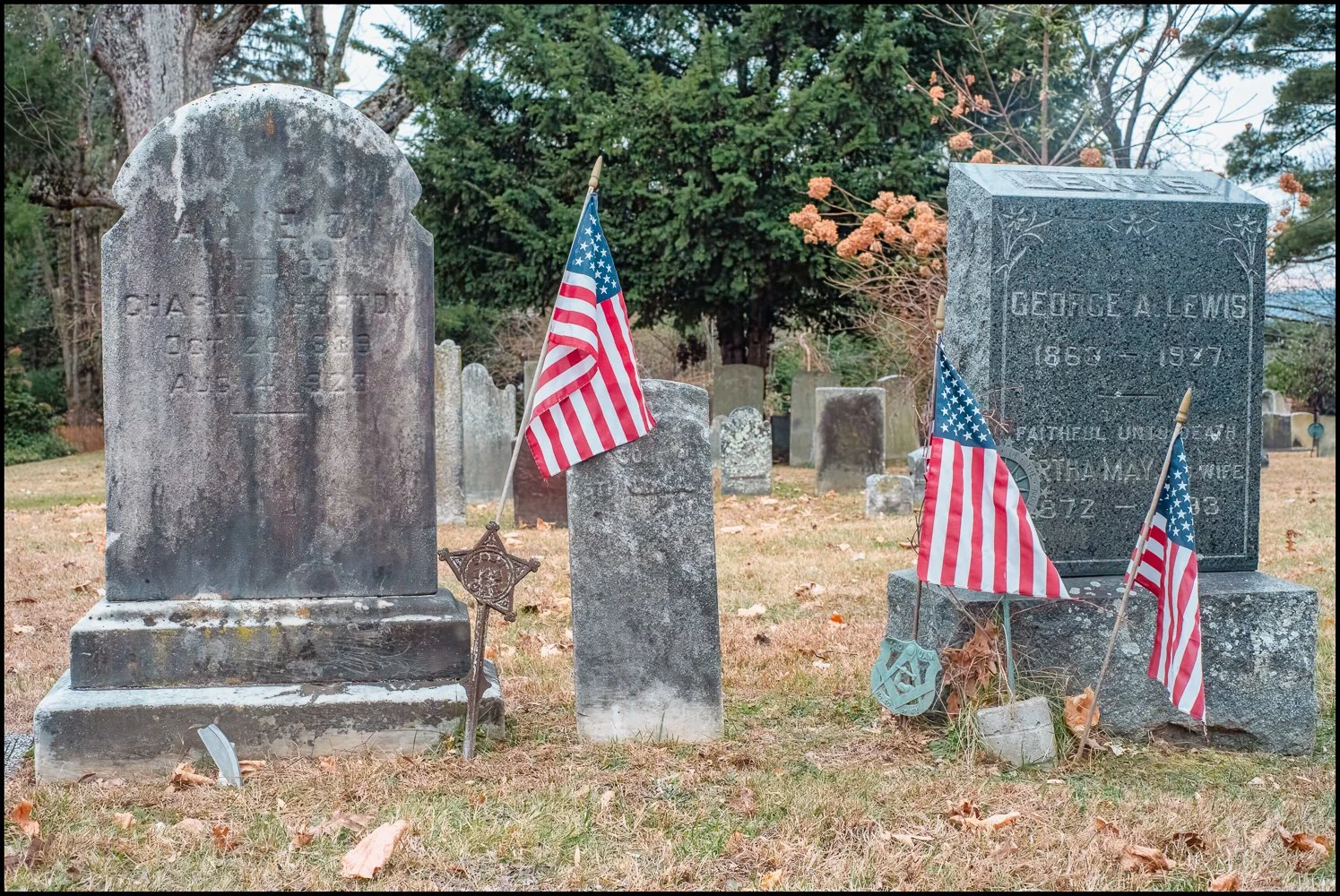
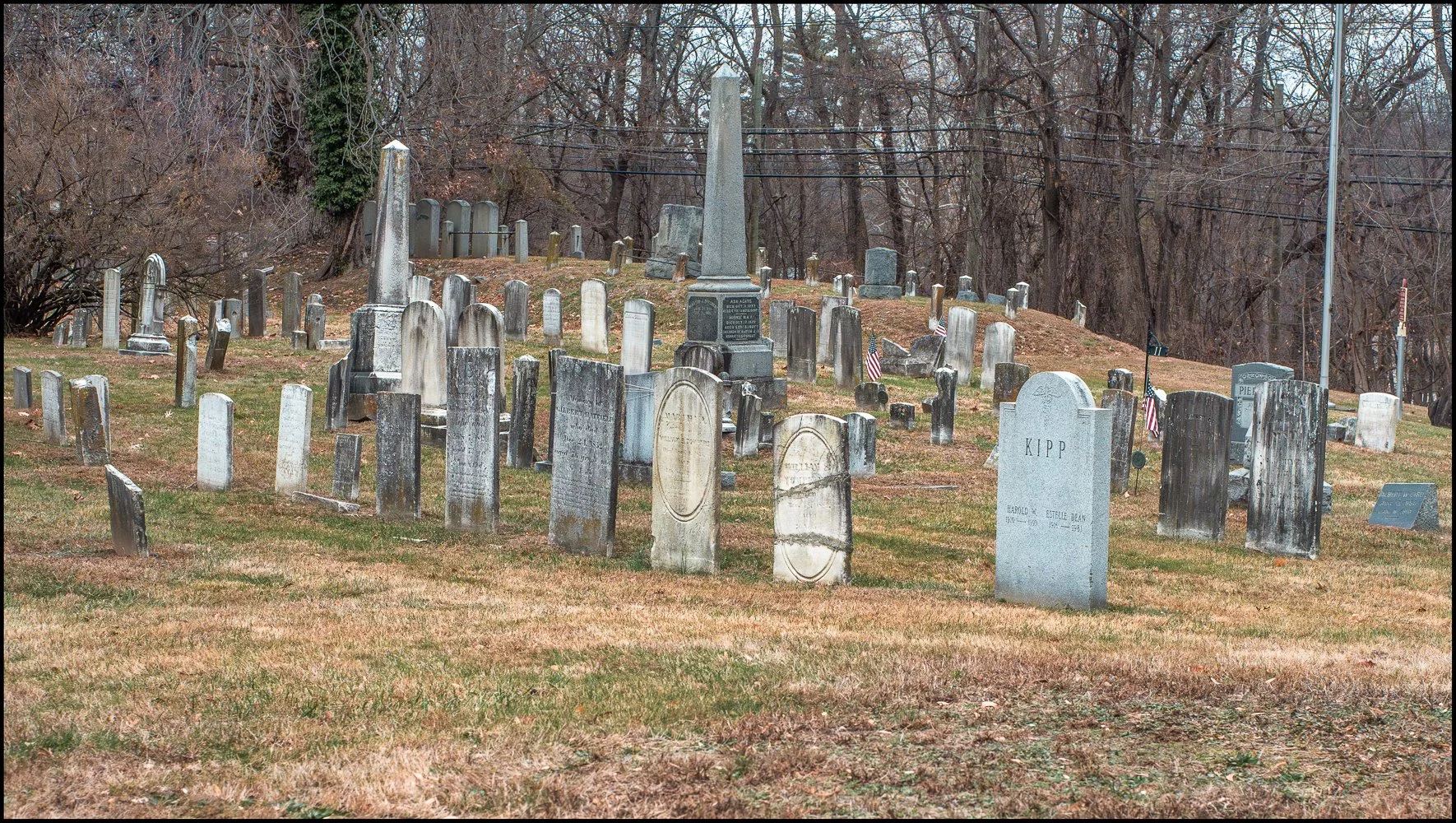
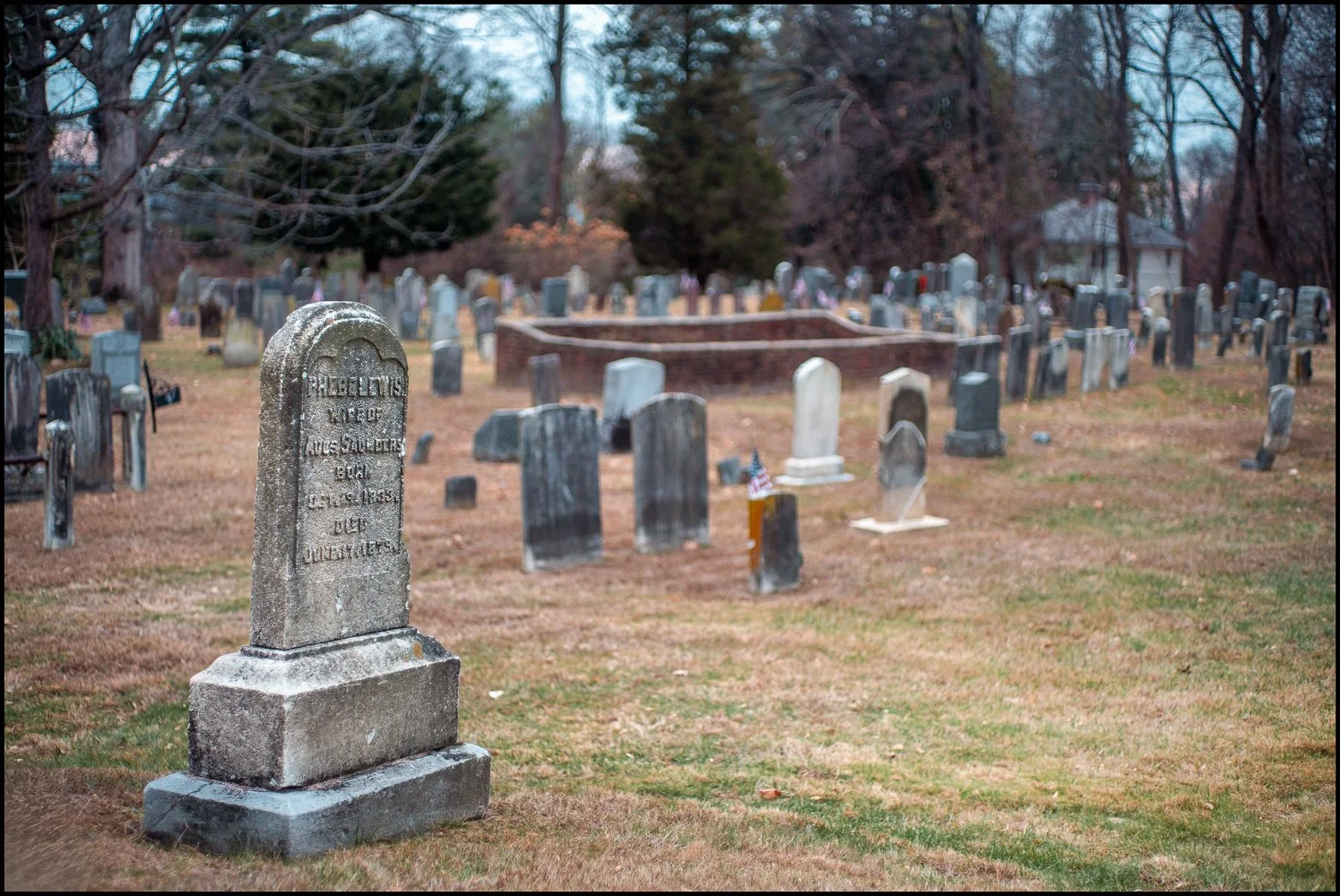
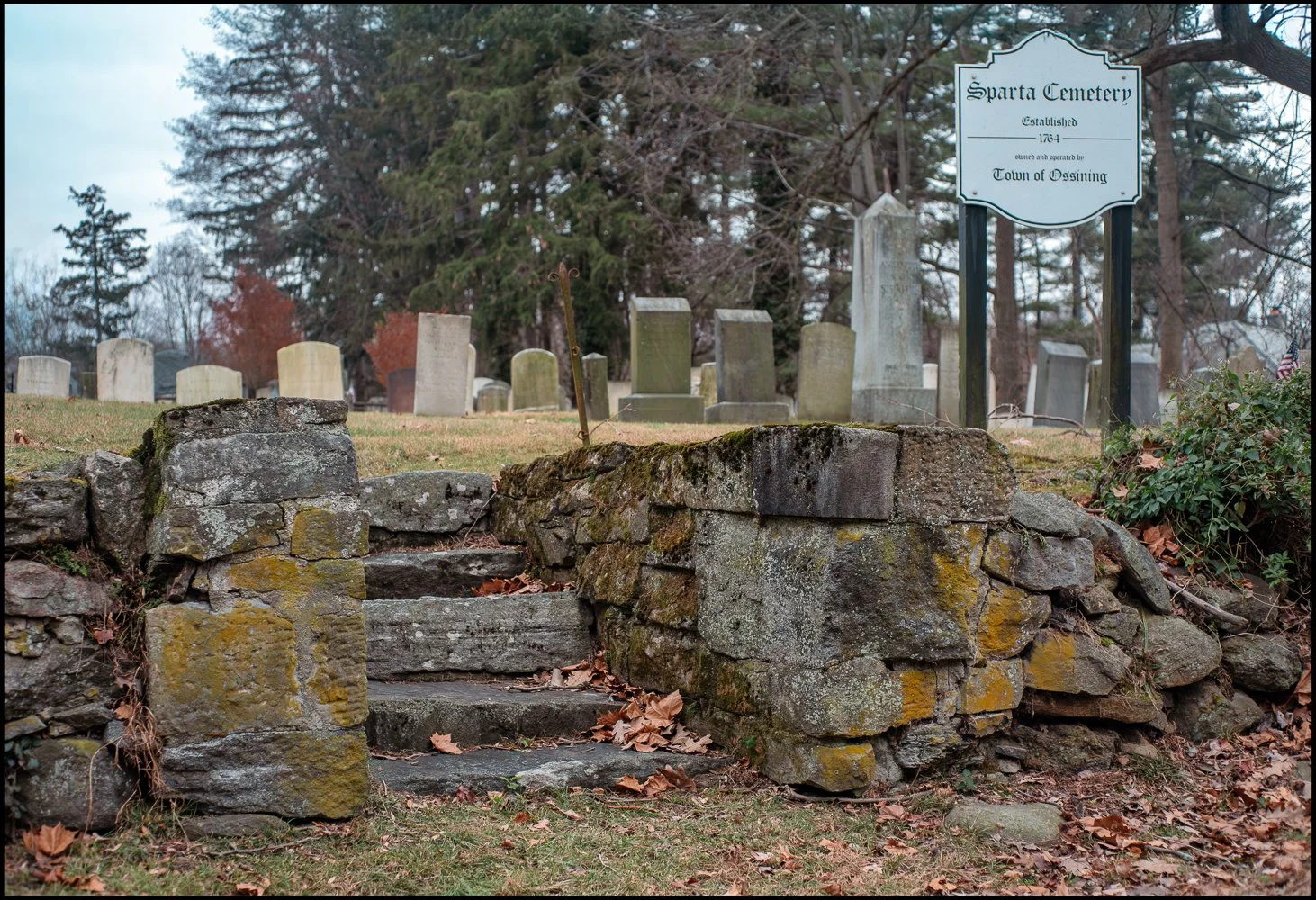
According to Martha Mesiti writing about Sparta Cemetery on the Ossining Historic Cemeteries website:
“Two hundred yards north of the intersection of Rte. 9 and Revolutionary Rd. lies a two-acre parcel of land where some of Ossining’s earliest history is buried. Sparta Cemetery is the oldest organized burial ground in Ossining, begun before the Revolutionary War. It is the final resting place of many of Ossining’s first settlers of English, Dutch, and French Huguenot heritage, Revolutionary War through World War II veterans, and the Old Leather Man. The oldest legible tombstone is that of five-year-old Sarah Ladew from 1764. The most recent interment was in 2007.
The cemetery originally served as the burial ground for the First Presbyterian Church of Mount Pleasant, the forerunner of the First Presbyterian Church of Ossining. The first church building was built in 1768 next to the burial ground. Both were located on the tenant farmland of Arnold Hunt, and the land was exempt from his land purchase (that is, set aside for the Church) by the Commissioners of Forfeiture in 1785. Although damaged in the Revolutionary War, the church building served its purpose until around 1800, when the congregation moved to a new church built in the village of Sing Sing. Moses Ward, one of Sing Sing’s founding fathers, had donated land for that purpose in Pleasant Square (the intersection of Highland, Croton, Main, and Broadway). Both Arnold Hunt and Moses Ward are buried in Sparta.
A key point of interest is the Ladew family plot (see fifth picture above). It is the only plot that is enclosed by a brick wall, the west façade of which incorporates all five headstones in the wall. Two of the most famous tombstones are those of Abraham and Anna Ladew’s children—five-year-old Sarah and seven-year-old Abraham. Sarah’s stone is noted as the oldest legible in the cemetery, but Abraham’s is even more famous for another reason: a hole in the surface. Legend has it that in 1780 the headstone was pierced by cannon fire from the British war ship Vulture, patrolling the Hudson River during the Revolutionary War. A plaque has been installed in its place.
In 1808, the state legislature confirmed cemetery ownership by the Trustees of the Presbyterian Church and their successors. Sparta was the principal burying ground in the area for several years. Church members and people not affiliated with the church are buried there. In the mid-nineteenth century, the cemetery fell into neglect. The much larger Dale Cemetery was founded in 1851 and may have become the resting place of choice for many Ossining residents.
In the late nineteenth century, the Presbyterian Church stepped in to improve conditions at the cemetery. In 1936, the Ossining Historical Society repaired and reset some of the older stones, and in 1939 assumed the responsibility of maintaining the cemetery with financial support from the church. In 1984, ownership was transferred to the Ossining Historical Society Museum, and the cemetery was listed on both New York State and National Registers for Historic Places. In 2012, ownership was transferred to the Town of Ossining.
Although located alongside the very busy Rte. 9, Sparta Cemetery remains a peaceful place. It is easy to pass an hour or two walking among its headstones, making out the names and inscriptions that time is slowly erasing.”
So, what happened to the cannonball. I’ve had trouble finding any information. However, I’ve heard that vandals stole it.
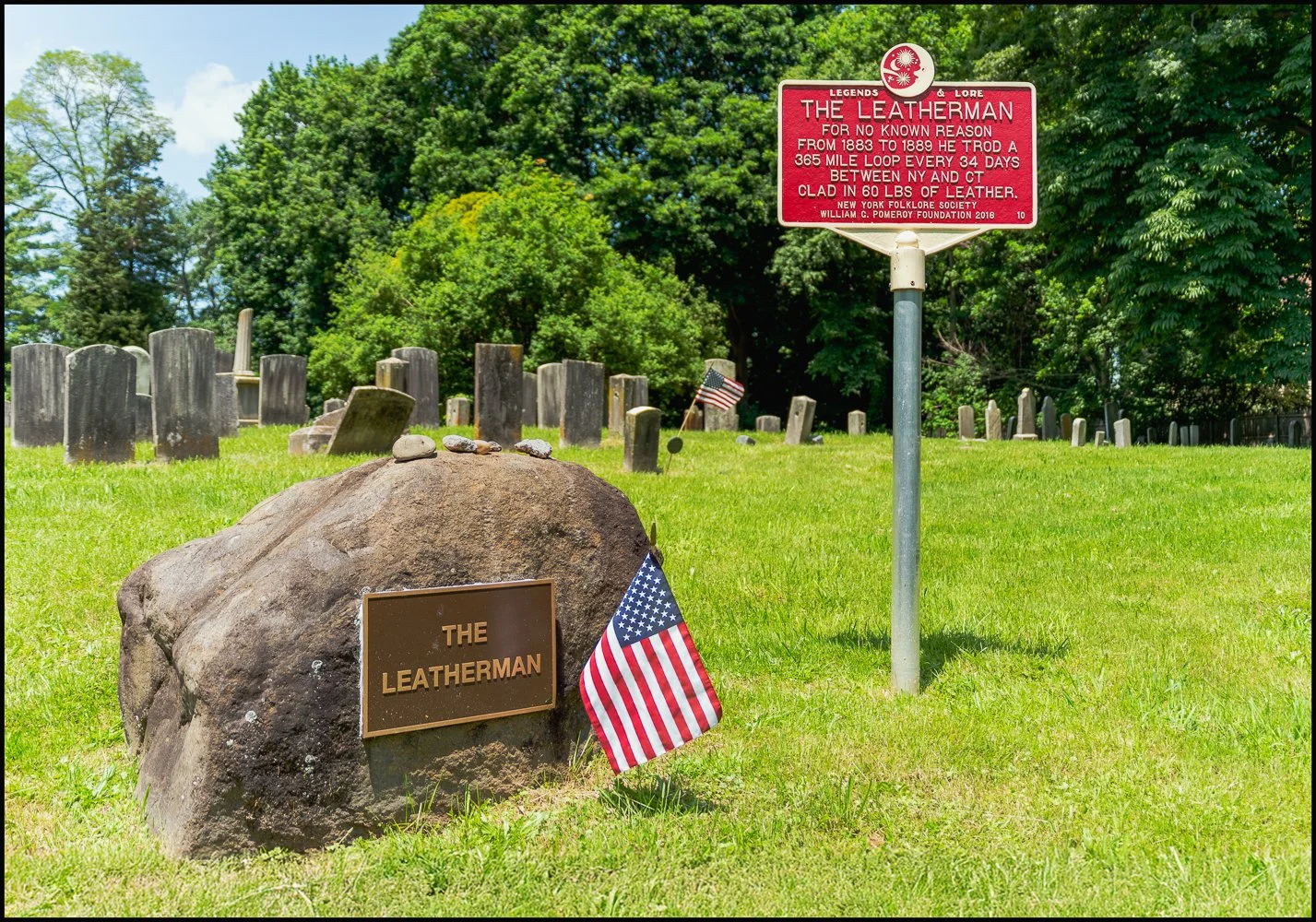
Sparta Cemetery is also the final resting place of The Leather Man. He was a 19th-century nomad who walked a looping route through northern Westchester County and southern Connecticut. He passed away in a cave in what was then the Town of Mount Pleasant (now in the Village of Briarcliff Manor).
Pumpkin and Gourd
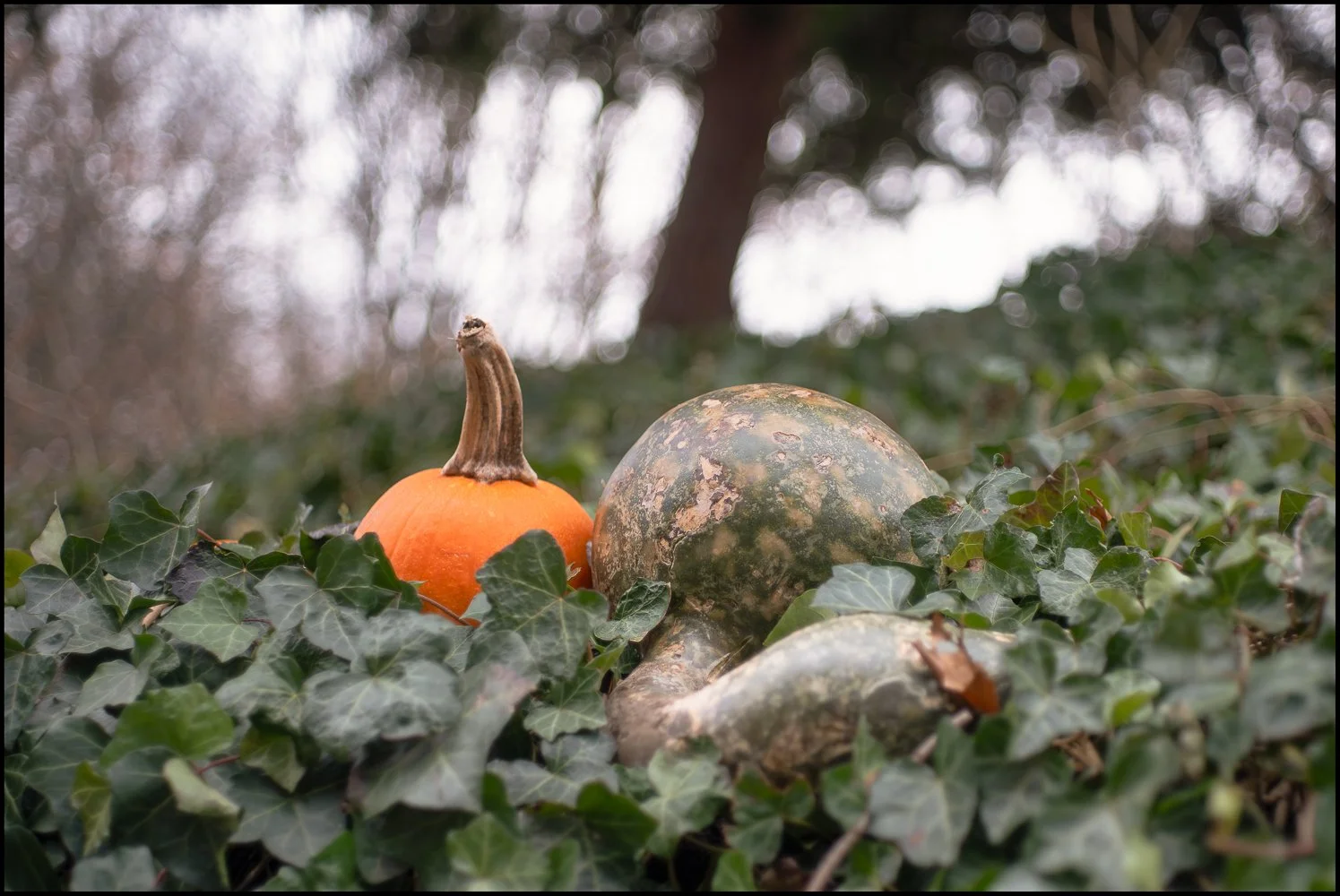
Unless I’m very much mistaken the object on the left is a pumpkin, the one on the right a gourd. But what’s the difference? According to Laura Miller on gardeningknowhow.com:
“In the simplest terms, we carve pumpkins, cook squash and decorate with gourds. Yet, the lines between these three terms are somewhat blurred. Not all pumpkins are grown for jack-o-lanterns and some gourds can be eaten when young.
Let's unravel this mystery by first talking about the similarities between the three. They are all members of the Cucurbitaceae family. In addition to pumpkins, squash and gourds, this family is also home to cucumbers and melons. As you may have guessed, cucurbits are herbaceous vining plants. However, some members like zucchini grow on very short vines.
…
One way we often distinguish between gourds and squash ([note: pumpkins are a type of squash]) is that gourds are grown primarily for decoration or use in crafts, while squash is cultivated for food. Yet, some types of gourds, like the snake gourd (Trichosanthes cucumerina) can be eaten when young and tender. Other gourds, however, have bitter, stringy flesh and are largely considered inedible.
The difference between pumpkin and gourd classification also becomes fuzzy when we consider varieties like miniature pumpkins. Are these cultivars in the Cucurbita pepo species edible or solely for decoration? Turns out, you can eat them.
However, they are often sold alongside inedible varieties of C. pepo gourds. Purchasing these adorable miniature pumpkins for consumption is not advisable as decorative fruit may have been sprayed with poisons like shellac to preserve their beauty.
Bottom line, Cucurbita is a Latin word whose English translation means gourd. Thus, the term gourd can technically refer to any of the tendril-bearing members of the Cucurbitaceae family. In addition to pumpkins, squash and gourds, this also includes fruits and vegetables such as cucumbers, watermelon and cantaloupe.”
So, there you have it: you eat squash (including pumpkins) and decorate with gourds. My family tells a story from long ago when I bought a gourd thinking it was something you could eat. I tried very hard to prepare it, but couldn’t even penetrate the tough outer layer. It did look nice though.
Scarborough Presbyterian Church Rectory
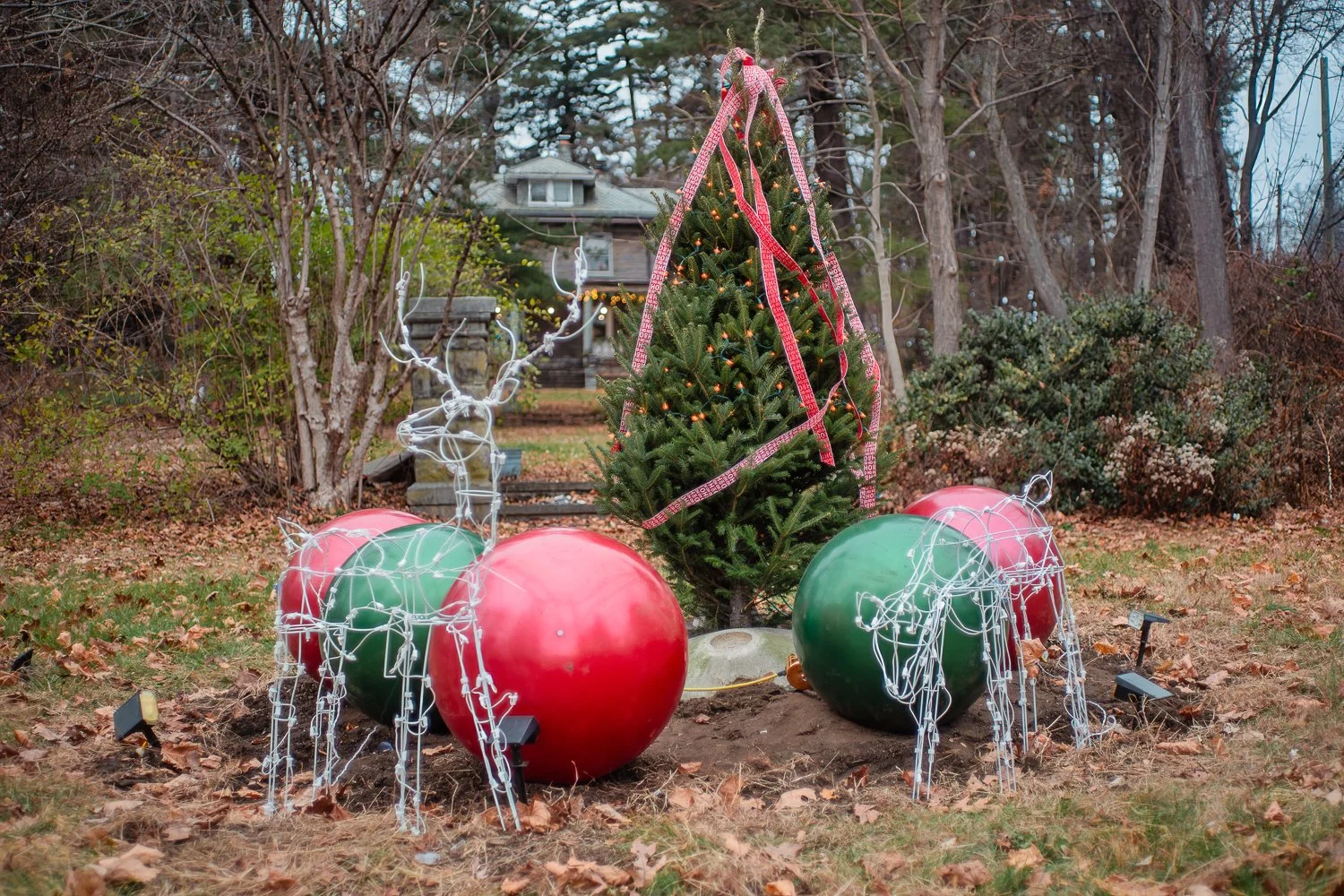
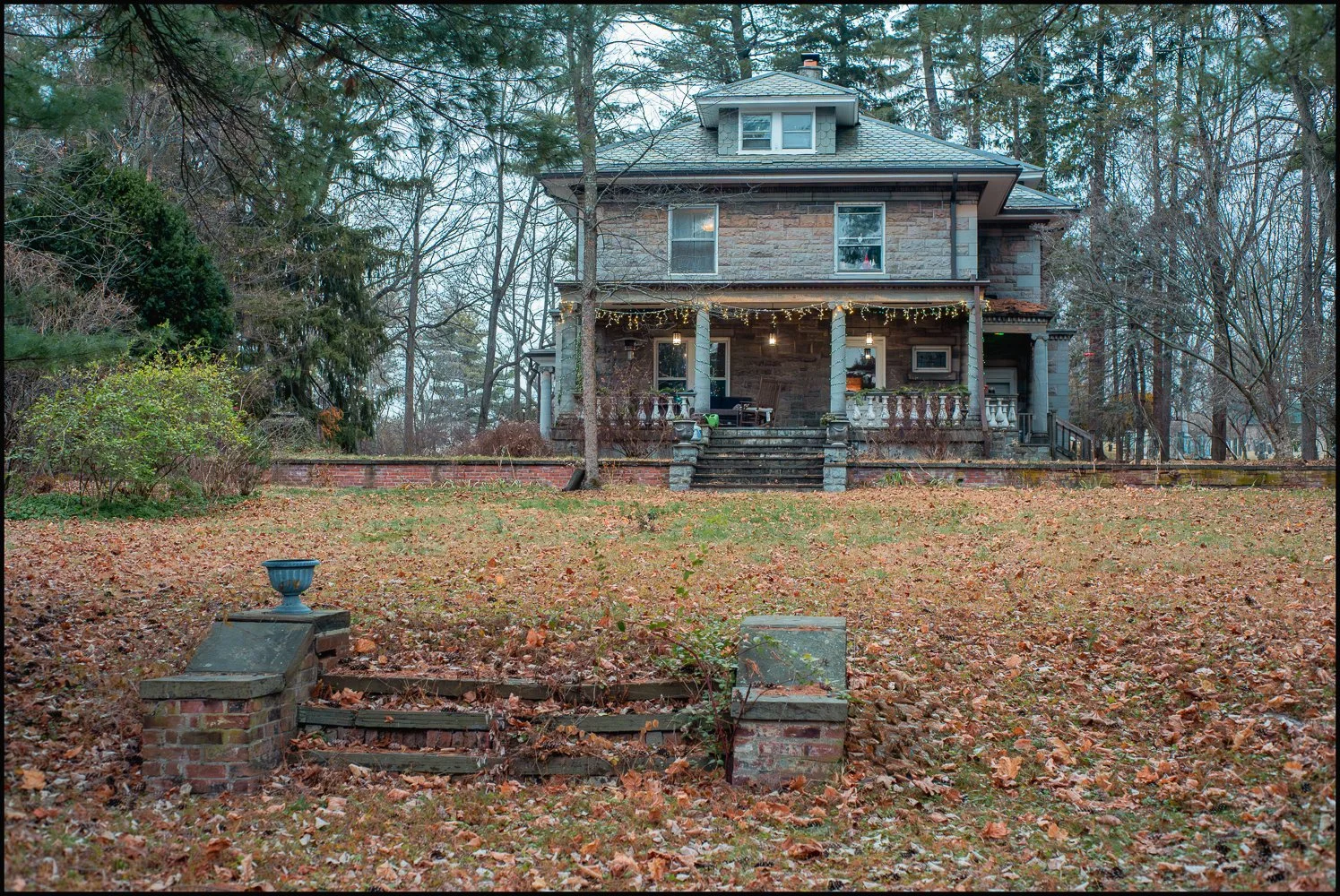
Christmas is coming and the Scarborough Presbyterian Church Rectory is all decked out, as it is every year.
It has a rich history that dates back to its dedication in 1895. The church was originally built as a small church in 1892 and later expanded to become the Scarborough Presbyterian Church. The cornerstone was laid in 1893, and the church was dedicated in the memory of Elliott Fitch Shepard, who died before the completion of the new building. The church has been a significant part of the community, serving as a place of worship and education. The church’s rectory, built in 1931, was a memorial to the first two rectors, Creighton and Meade, and is a testament to the church’s long-standing presence in the area
From here back home I believe we’re no longer in Sparta, but rather in Scarborough, a hamlet which is part of the Village of Ossining. These administrative boundaries are very confusing and if I’m right it would mean that while the Scarborough Presbyterian Church is part of Scarborough (i.e Village of Briarcliff Manor) its Rectory (which is just across the road) is in fact in Sparta (i.e Village of Ossining). To make things even more confusing the Village of Briarcliff Manor and the Village of Ossining are both part of the Town of Ossining. I’m also pretty sure that a portion of the Village of Briarcliff Manor is part of the Town of Mount Pleasant. Go figure.
Gnarly Branches
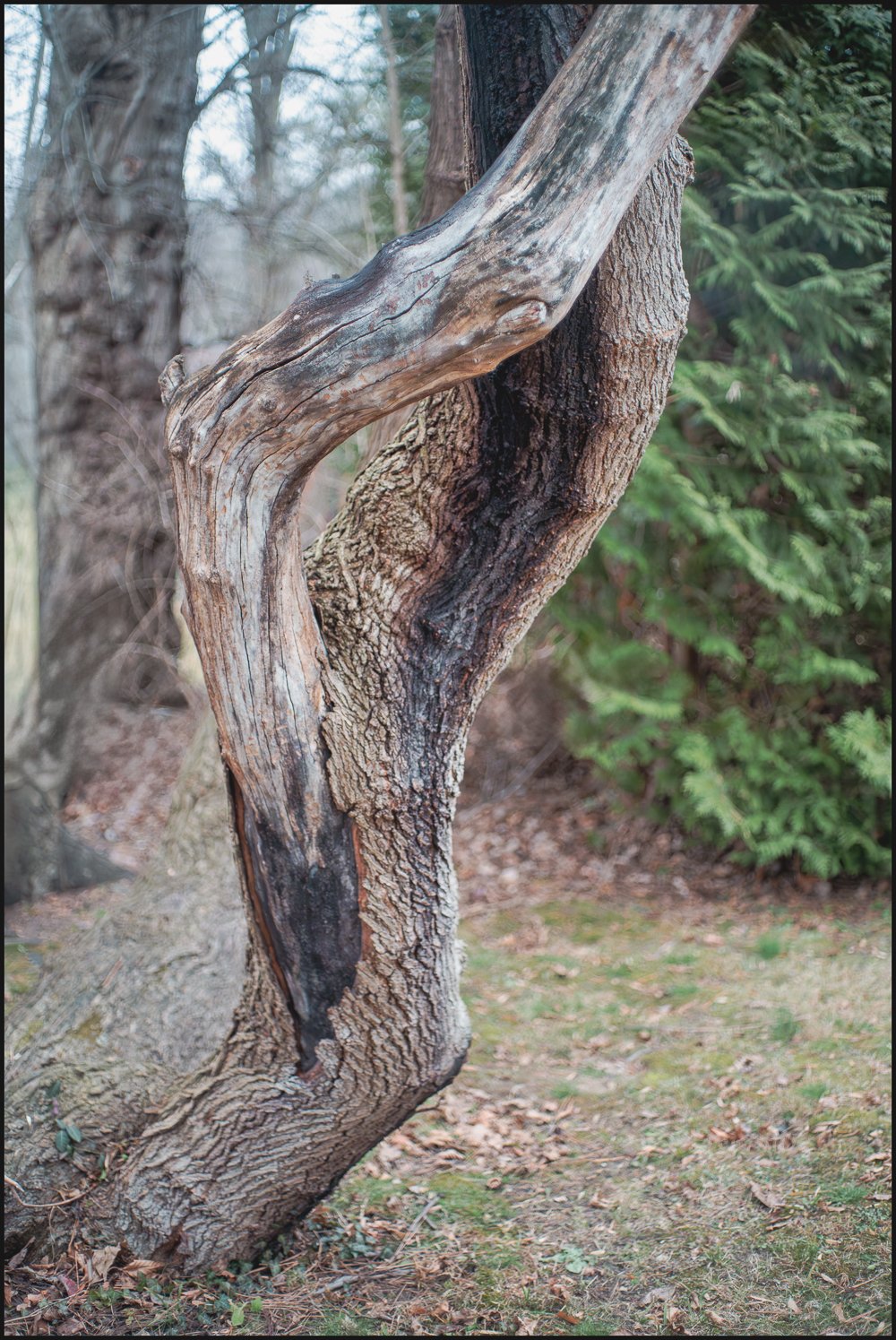
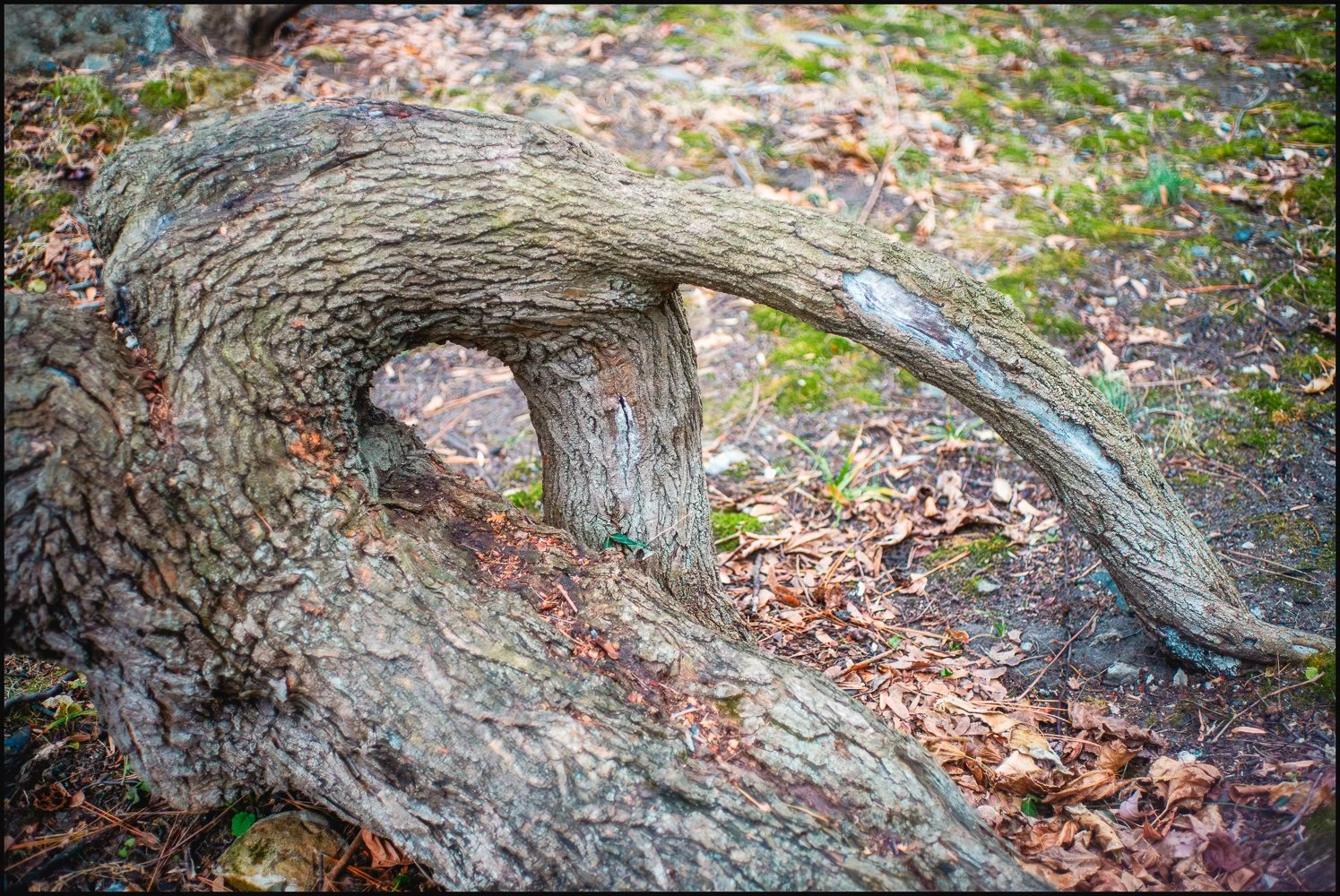
I just liked the way they looked. Interesting shapes. Interesting textures. Make you wonder how they became so twisted.
Fairyland
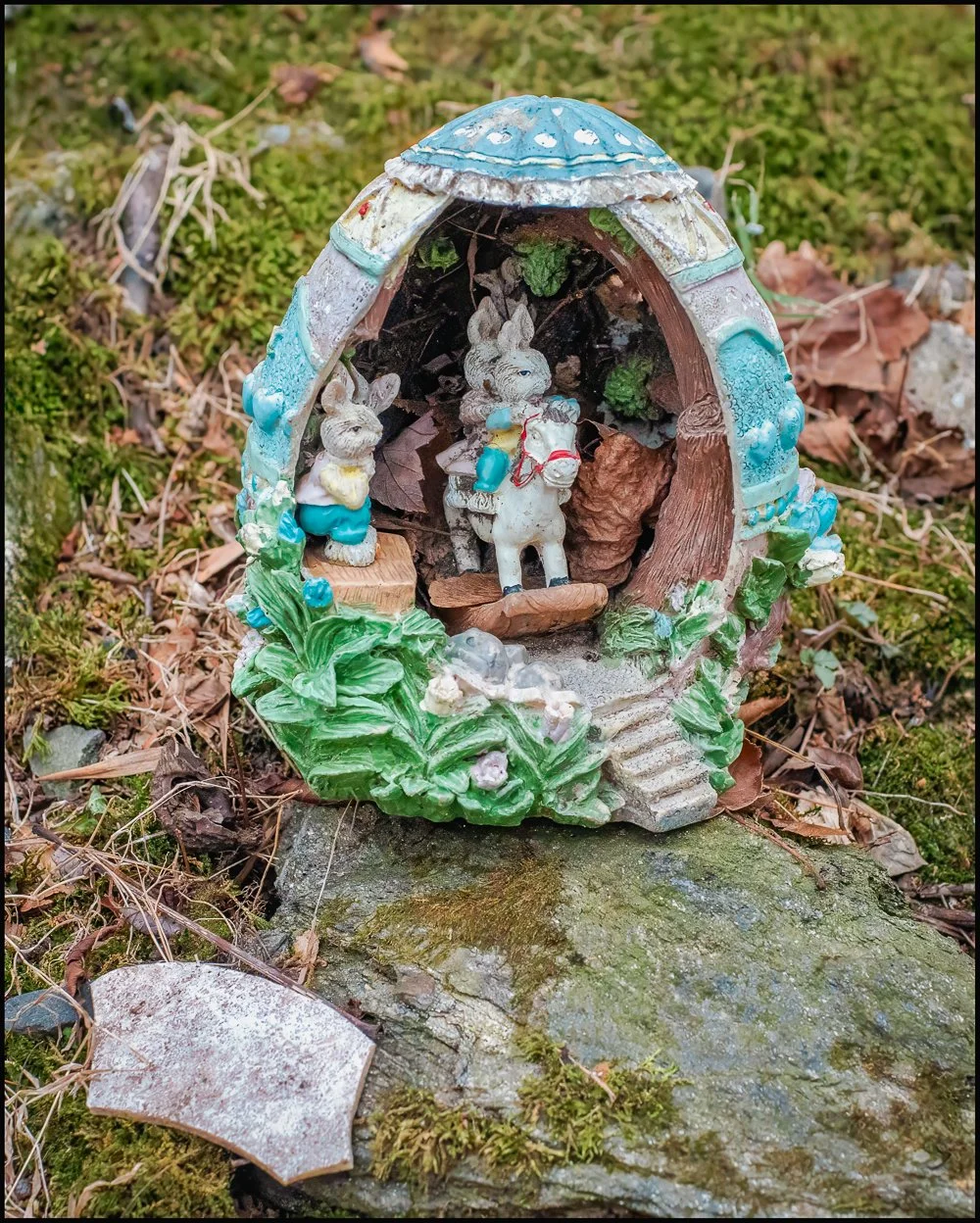
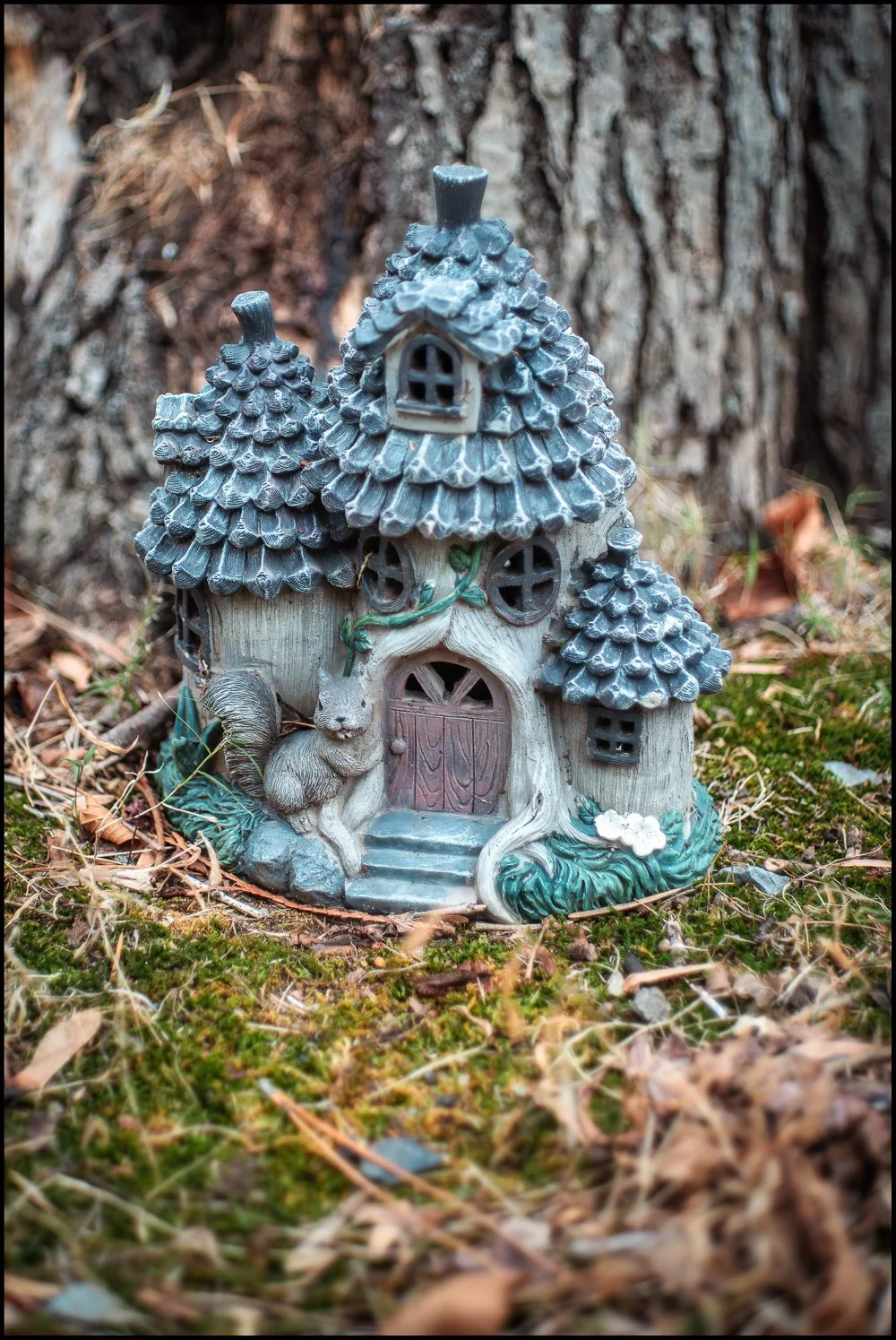
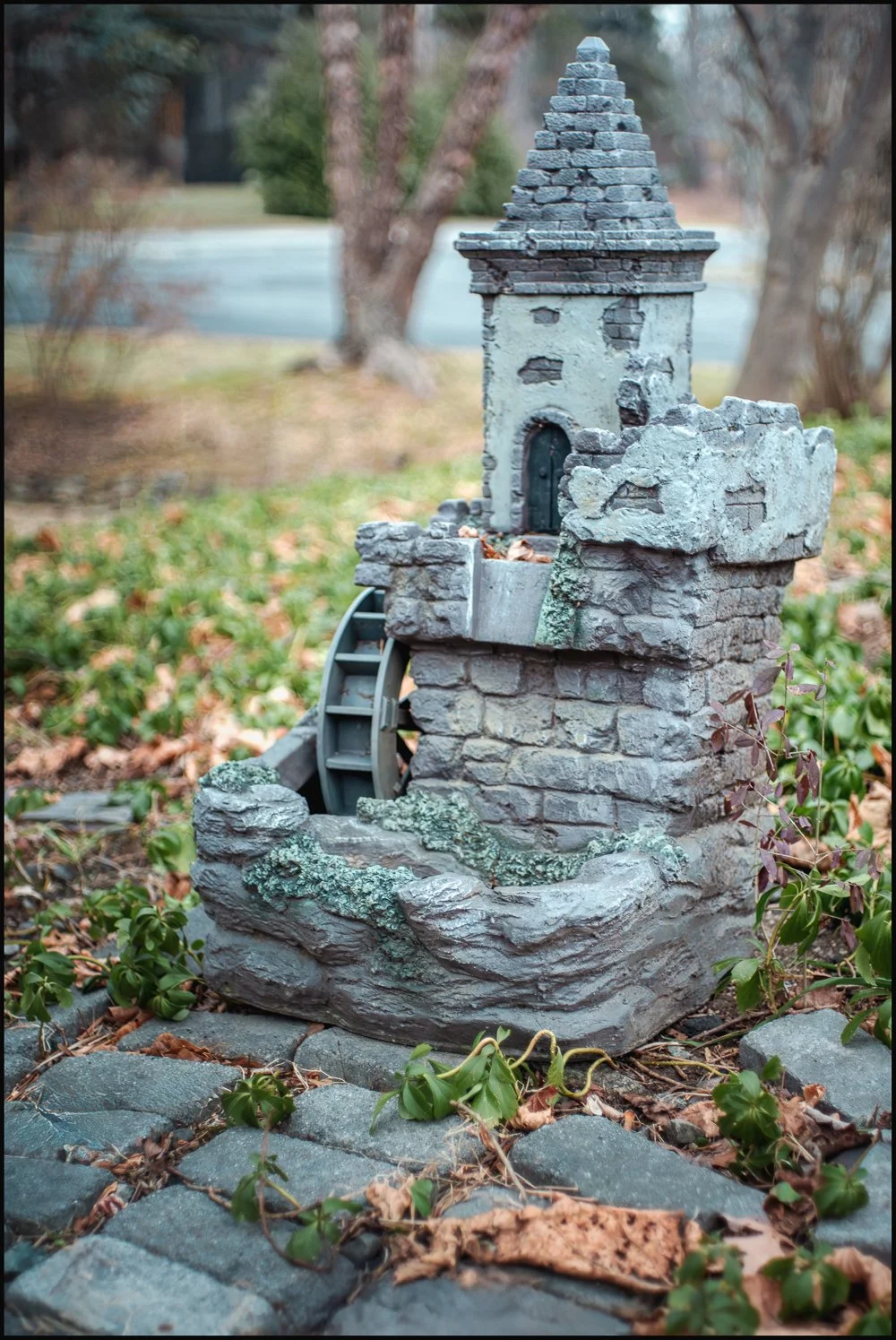
I was passing Scarborough Presbyterian Church when I saw these small objects in the distance. Initially I couldn’t make out what they were, so I went over to check them out. Imagine my surprise when I saw they were a miniature house, a small castle like building with a waterwheel, and what looked like an Easter egg with tiny rabbits and a horse living in it. Quite cute if you like this kind of thing I suppose. Certainly, worth a few pictures. There were more, but I didn’t find them as interesting as these three, so I didn’t take any pictures of them.
An Interesting Subject
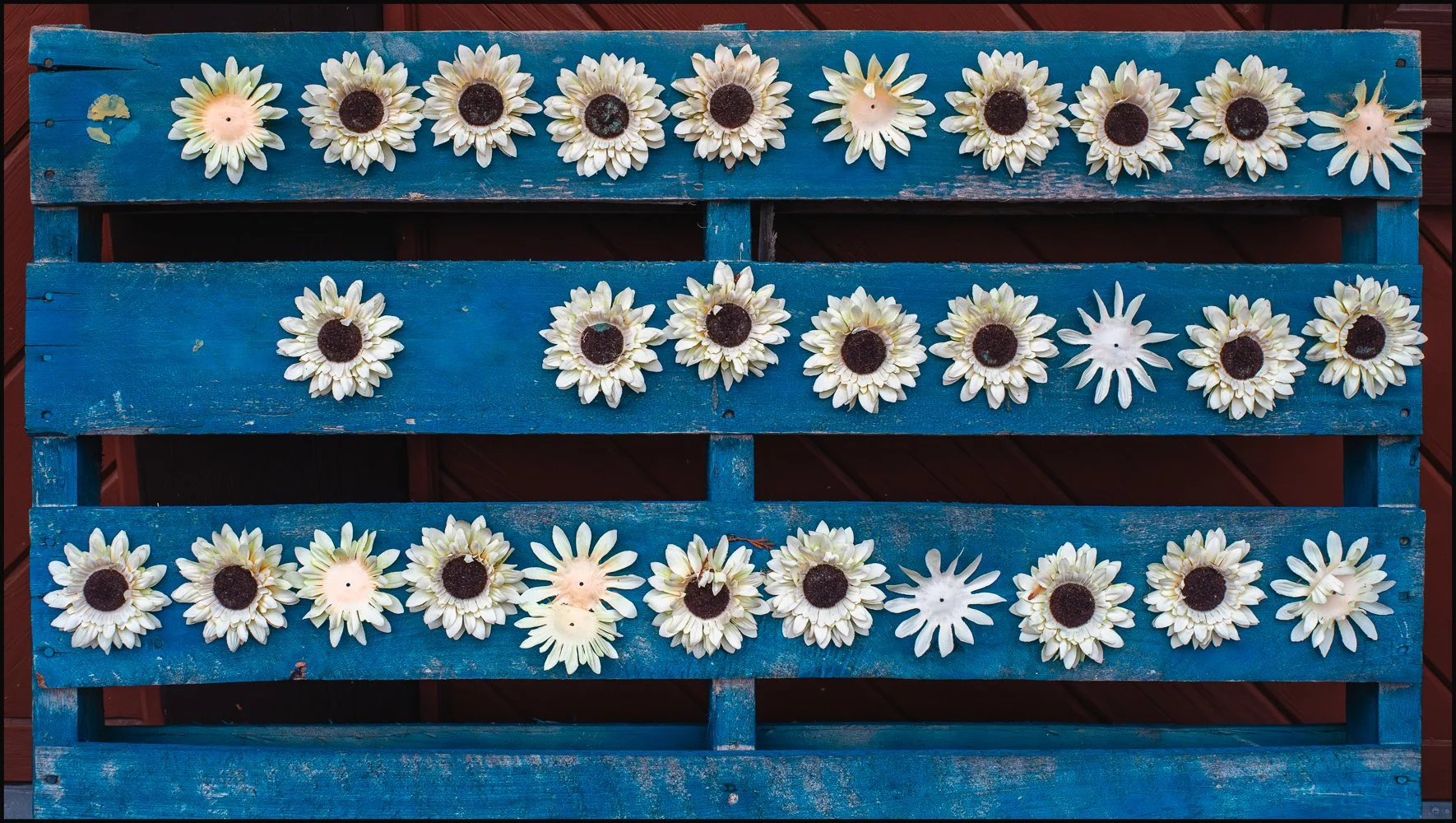
I really like this picture. First, because it’s predominantly blue, my favorite color. And second, because although there’s the basis for a pattern, said pattern is actually broken: some of the flowers are missing; some are there but with petals missing; some are almost intact but not quite; almost all are single flowers except for one group of two. To me all of these variations make the picture much more interesting. Makes me wonder what this originally was and how it got to be the way it is now.
Returning Home
Now all that was left for today’s excursion was a 30-minute walk up a very steep (at least for me) hill. Also, I realized that I had completely forgotten how quickly it gets dark at this time of year where I am. I faced the prospect of walking up at least a portion of the hill in the dark. As it turned out I reached home before it got totally dark, but I still turned the flashlight on my iPhone on and waved it around. Hopefully any incoming traffic would see me. I’m not sure how effective it was, but I imagine it was better than nothing.
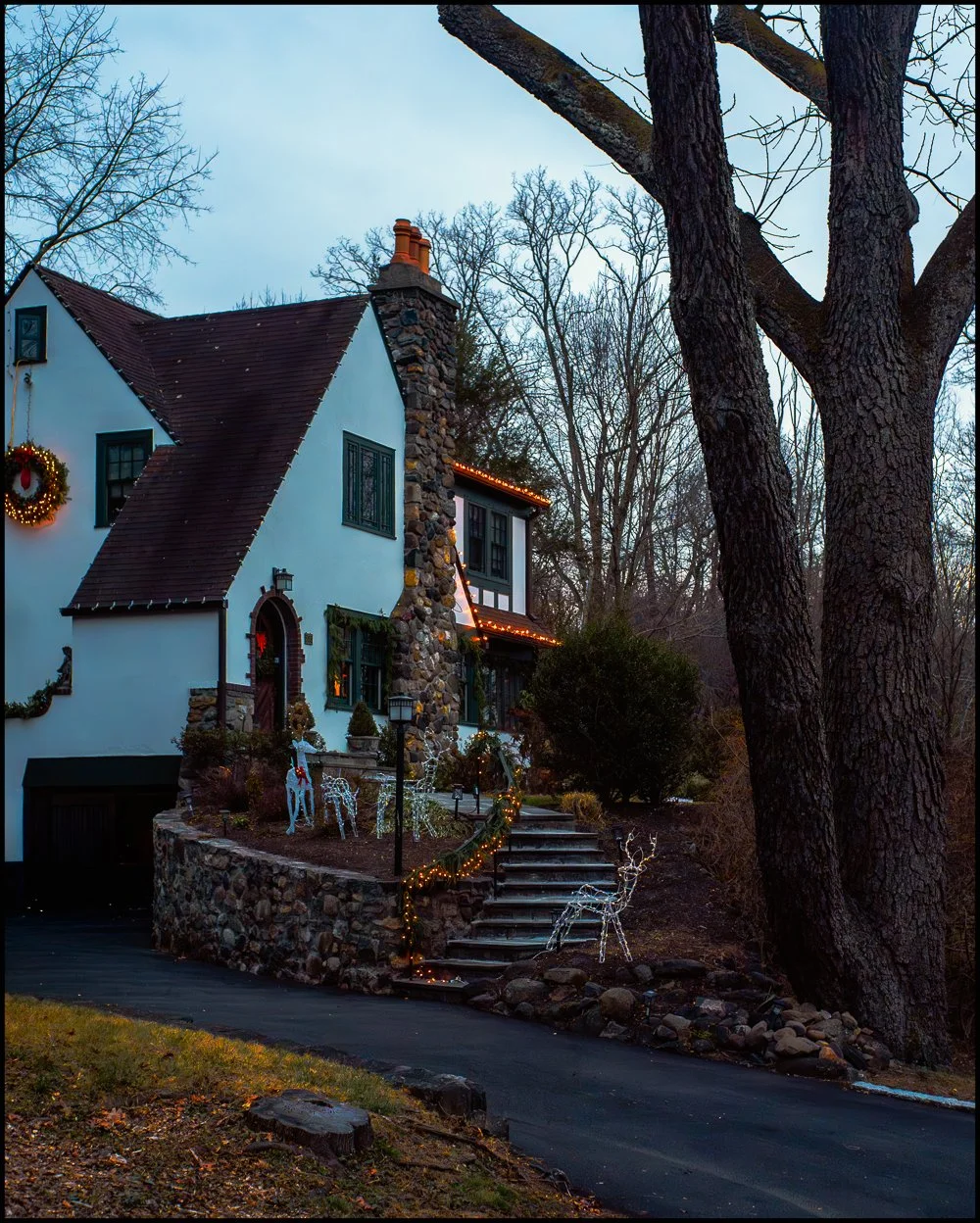
On the way I passed this house with its Christmas light on. Rather subdued, I thought - particularly compared that the “over-the-top” displays you tend to find around here. I struggled to get the lights on the deer on the right to show. My attempts were only partially successful.